Four Fakir family legends and what the records say about each
Ranjit Singh’s one eye is documented; the reply attributed to Azizuddin and the Koh-i-Noor and Todar Mal accounts are family tradition, and a traveller’s cipher remark is second-hand.
Ranjit Singh’s one eye is documented; the reply attributed to Azizuddin and the Koh-i-Noor and Todar Mal accounts are family tradition, and a traveller’s cipher remark is second-hand.
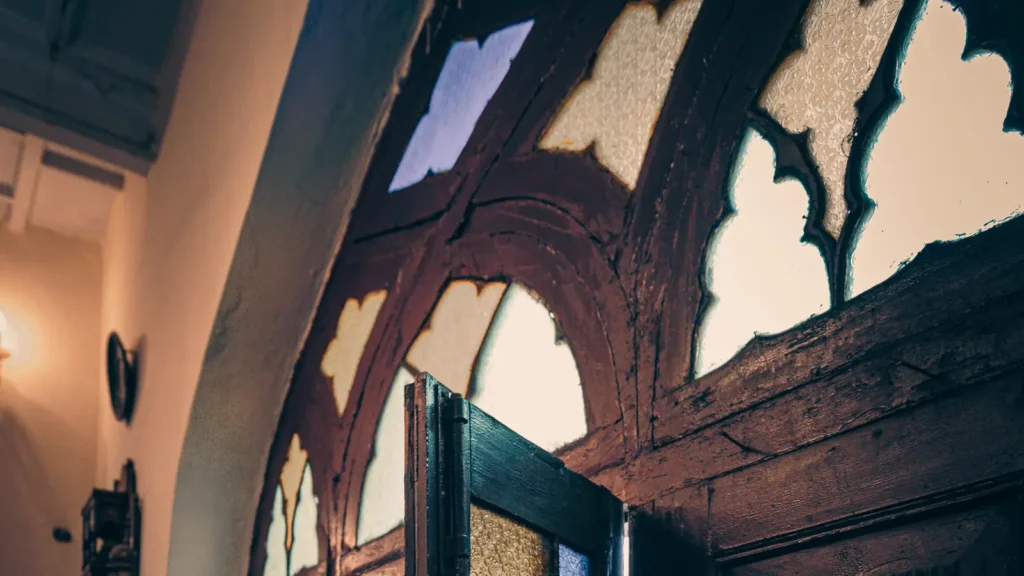
Fakir Khana, Faqir Khana and Faqeer Khana are English spellings of one Urdu name, فقیر خانہ, which the museum itself writes as Fakir Khana and renders in English as The House of the Humble Ones.
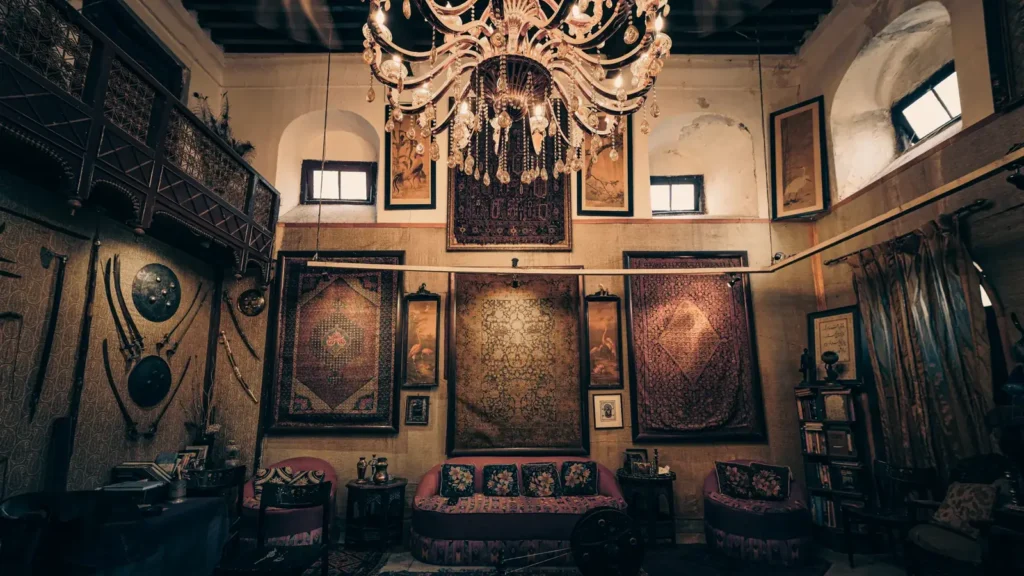
Persian carpet weaving became a statewide industry under dynasties including the Safavids, and Persian designs shaped the carpets of the Mughal court, whose workshops included Lahore.

Fakir Khana Museum stands in Hakiman Bazaar inside Bhati Gate, in the Walled City of Lahore. The family counts around 20,000 objects, and visits are by appointment.

In late 1838 the English writer and artist Emily Eden accompanied her brother Lord Auckland to meet Maharaja Ranjit Singh; her letters call Fakir Azizuddin the Maharaja’s interpreter and adviser.
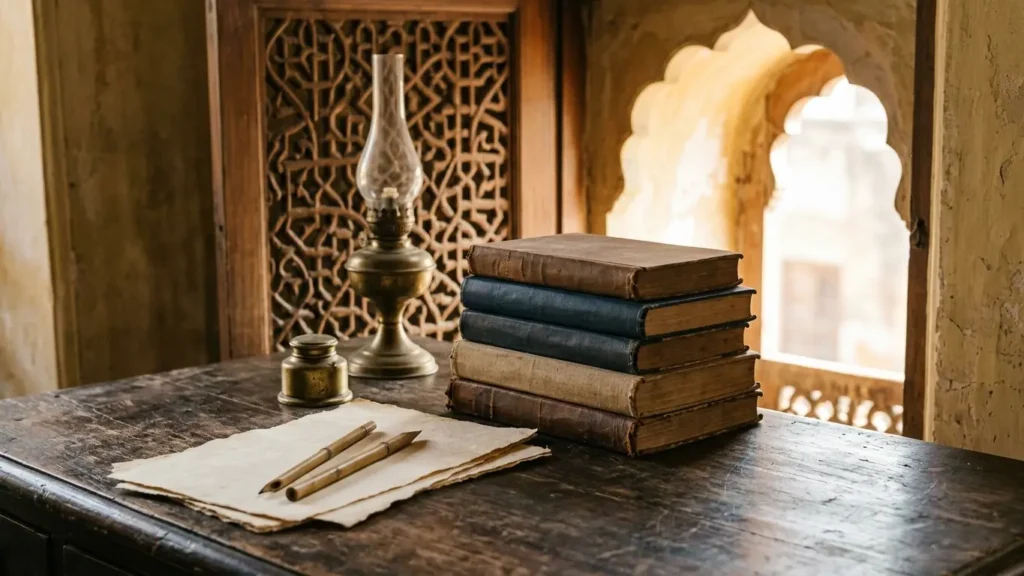
A reading list on Maharaja Ranjit Singh, from Sohan Lal Suri’s Persian court chronicle to Priya Atwal’s 2020 history of the Sikh empire, with two books by the Fakir family.
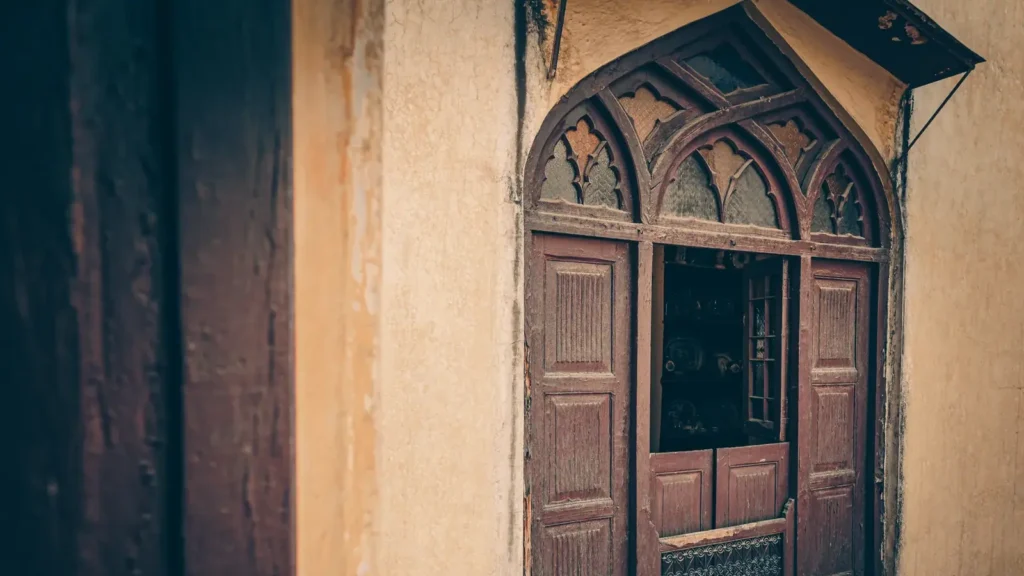
Enter Bhati Gate in the Walled City of Lahore and walk into Hakiman Bazaar: press reports put Fakir Khana Museum about 500 metres inside, on the right.

Wikipedia calls Fakir Khana the largest privately owned museum in South Asia and says Raja Todar Mal first owned the house; the sources it cites give no measurement and no document.
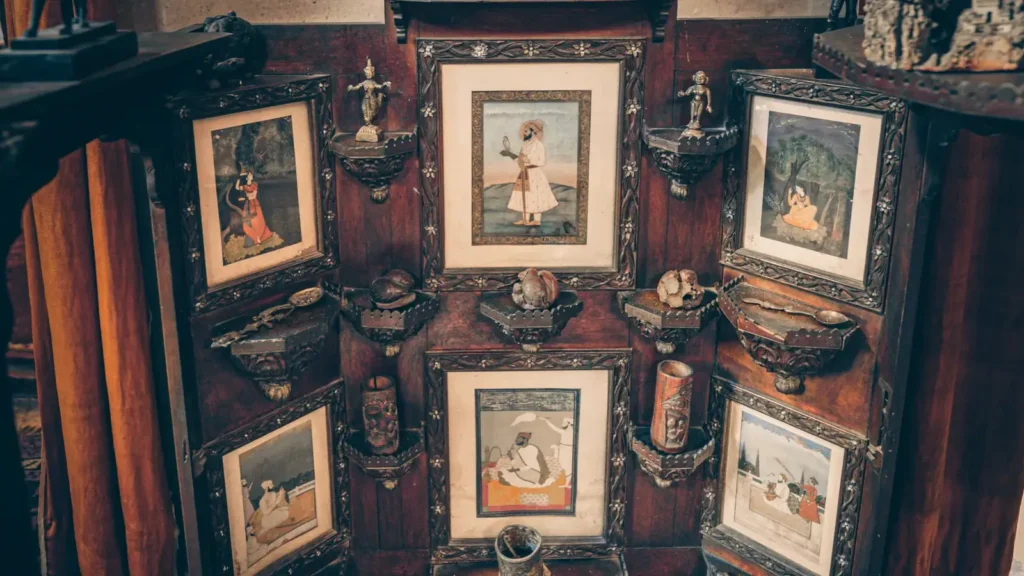
Miniature painting is the South Asian art of small, highly detailed pictures; this glossary explains its materials, techniques, formats and schools.
At least four different phone numbers and three versions of the opening hours are in circulation online for Fakir Khana Museum, where visits are by appointment.