Mughal miniature paintings: an introduction for first-time viewers
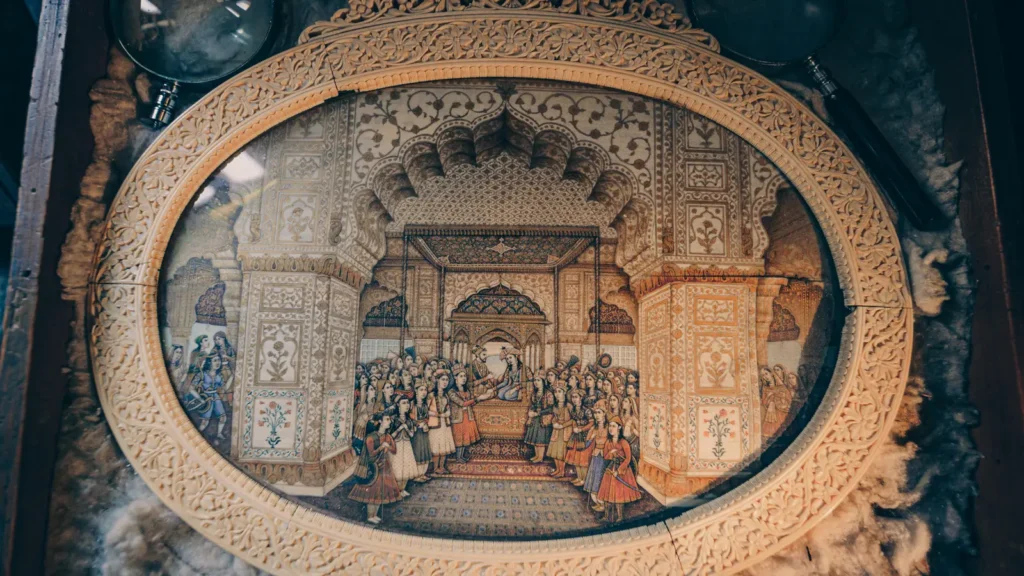
Mughal miniature paintings are court pictures made under the Mughal emperors, from the 16th to the 18th century, in workshops that built on Persian painting.

Mughal miniature paintings are court pictures made under the Mughal emperors, from the 16th to the 18th century, in workshops that built on Persian painting.

Friday opening in Lahore depends on who runs the site: the Lahore Museum’s site lists Friday as its weekly holiday, the Punjab Directorate’s museums split the day, and Fakir Khana is by appointment.
Maharaja Duleep Singh was proclaimed ruler of the Punjab at the age of five, lost his kingdom in 1849 and died in Paris on 22 October 1893.

A half day near Bhati Gate can be built around an appointment at Fakir Khana Museum, with Haveli Wajid Ali Shah, Iqbal’s house and Oonchi Masjid nearby and Data Darbar just outside the gate.
Three Muslim brothers of the Fakir family served Ranjit Singh in separate offices: Azizuddin in foreign relations, Imamuddin at Gobindgarh and Nuruddin as court physician.
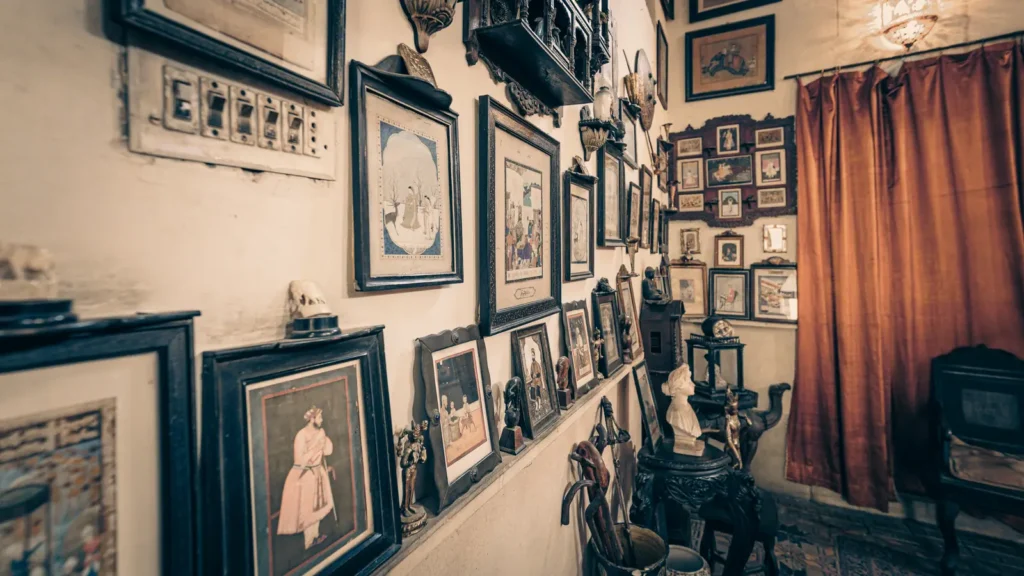
Fakir Khana is a traditional three-storey haveli in Hakiman Bazaar, Lahore, with a wooden entrance gate, an internal courtyard and galleries on the upper floor.
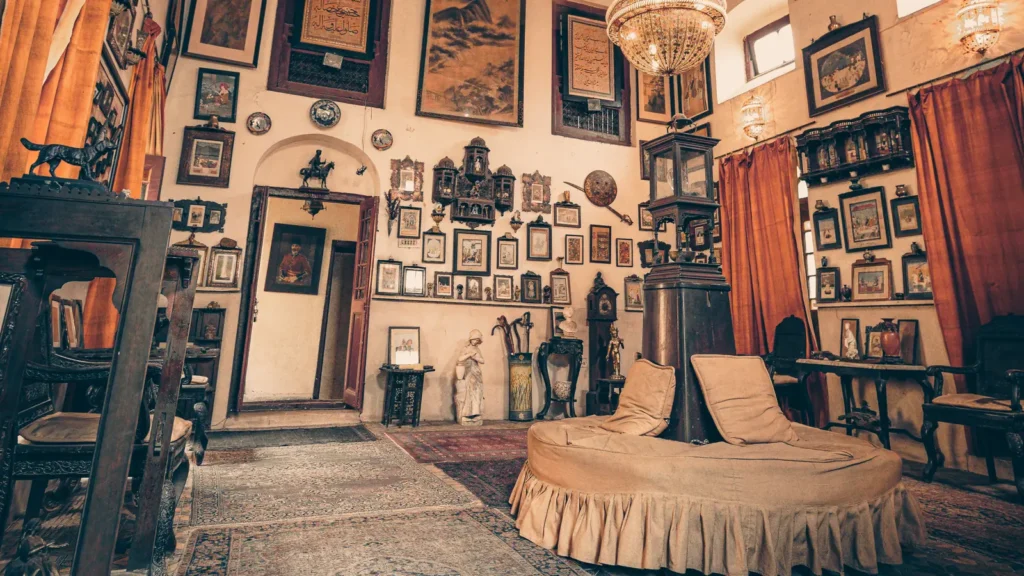
The age of the house, the Raja Todar Mal tradition, the object count, the trust, the generation count and the earliest Qur’an are open questions, and published accounts differ.

Where to find Pakistan’s notable museums, from the Mohatta Palace Museum in Karachi to the Peshawar Museum, with what each holds and, where listed, its closing day.
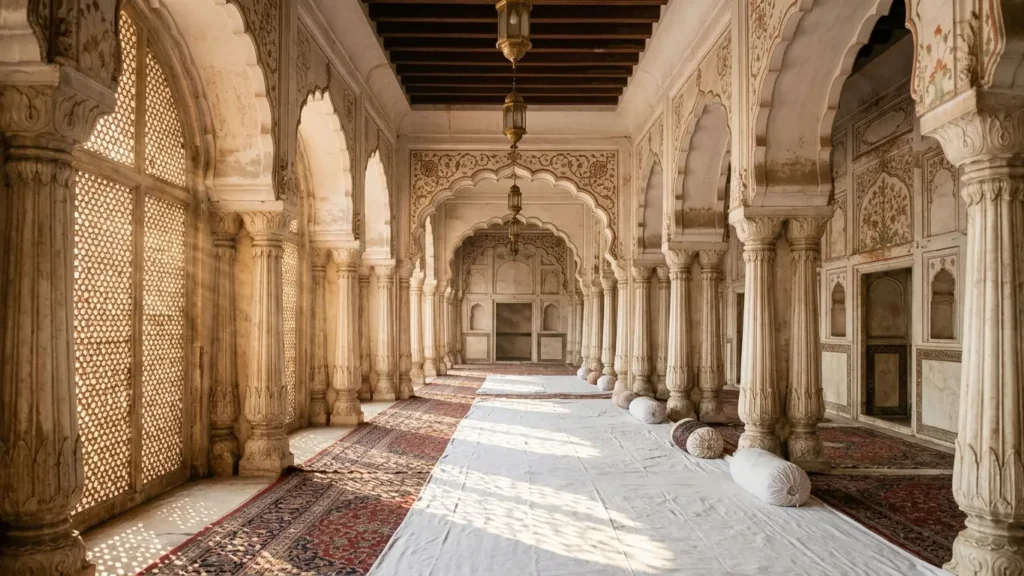
Maharaja Ranjit Singh, the Lion of the Punjab, took Lahore in 1799 and ruled a state that at its height reached from the Khyber Pass to the Sutlej, until his death on 27 June 1839.

The Mughal emperor Aurangzeb commissioned the Badshahi Mosque in Lahore in 1671, and it was completed in 1673 under the supervision of Muzaffar Hussain, known as Fidai Khan Koka.