THE FAKIR FAMILY
History and Legacy A
Origins and Lineage
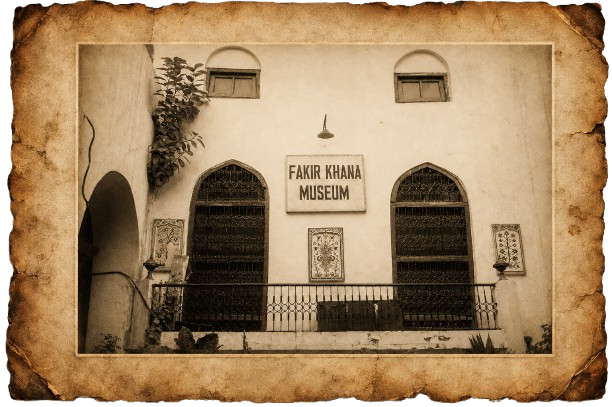
Makhdoom Jahaniyan Jahan Gasht
Sayyed Hussain Pir Kamal
Fakir Sayed Ghulam Mohi-ud-Din Nausha-e-Sani
Fakir Sayed Noor-ud-Din
Present Descendants
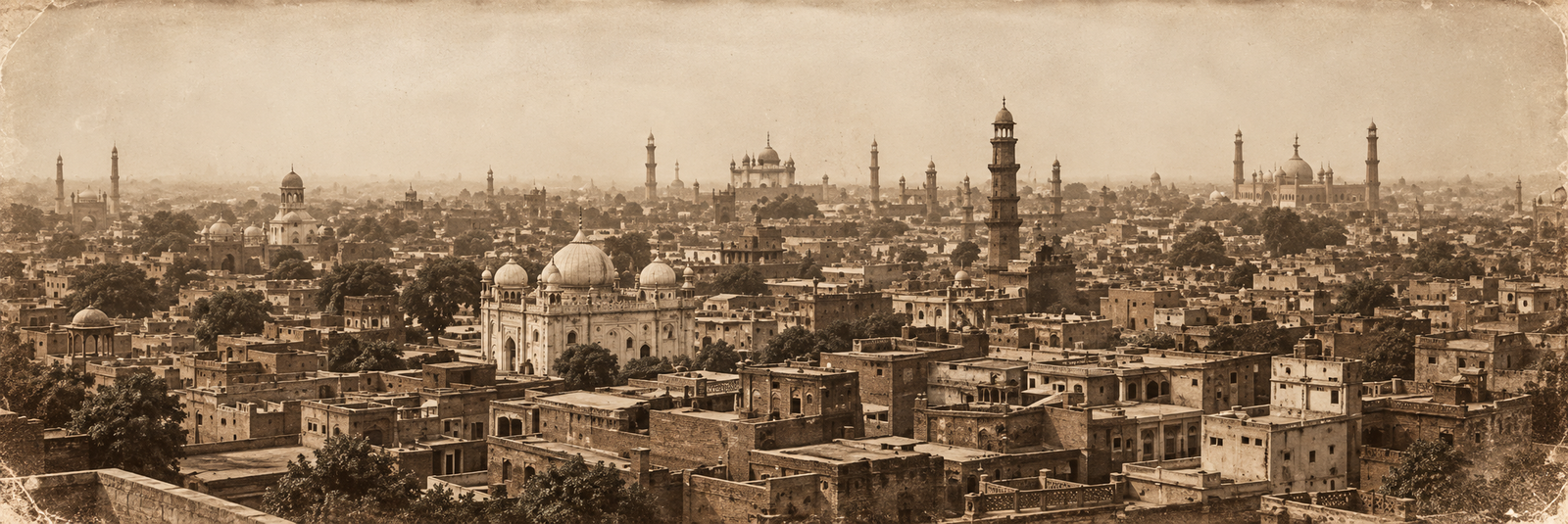
The family settled in Lahore during the eighteenth century, establishing traditions of learning, medicine, languages, publishing, diplomacy and public service.
THE LAHORE DARBAR
Service During the Sikh Empire
Three members of the family held positions of trust in Maharaja Ranjit Singh’s plural court. Their service reflects the confidence the Derber placed in the family’s education, loyalty and judgment.
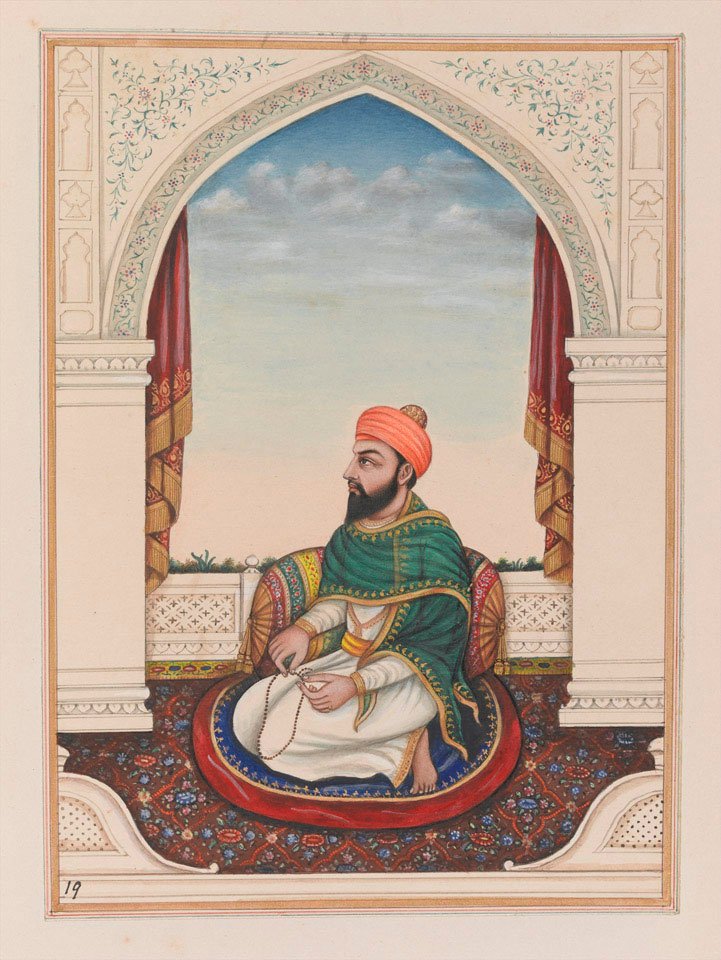
Fakir Azizuddin
Physician - Linguist - Diplomat
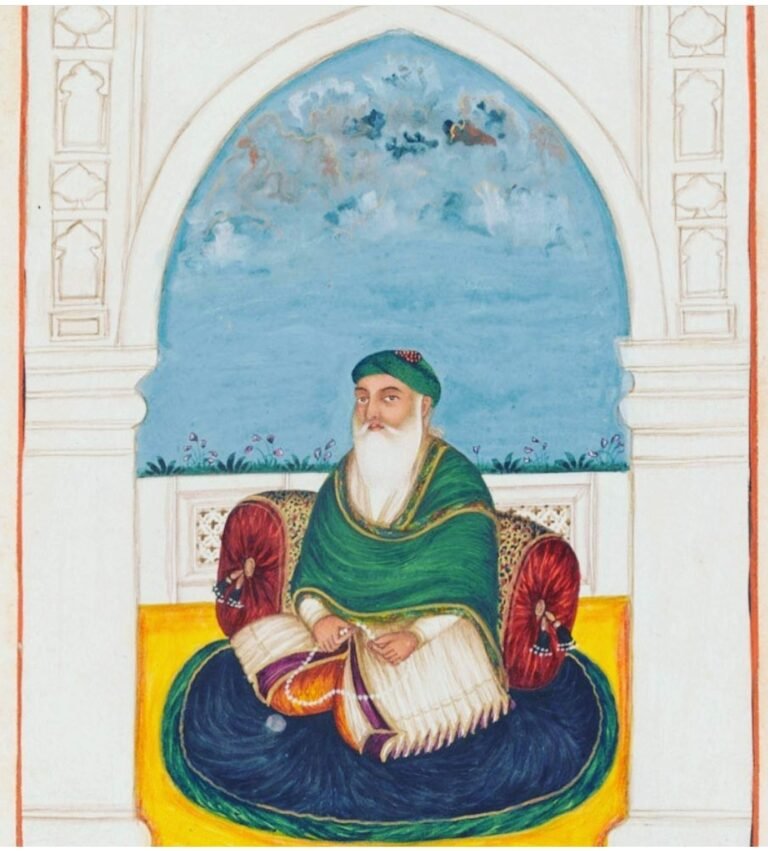
Fakir Nooruddin
Administratios - Pubic Affairs
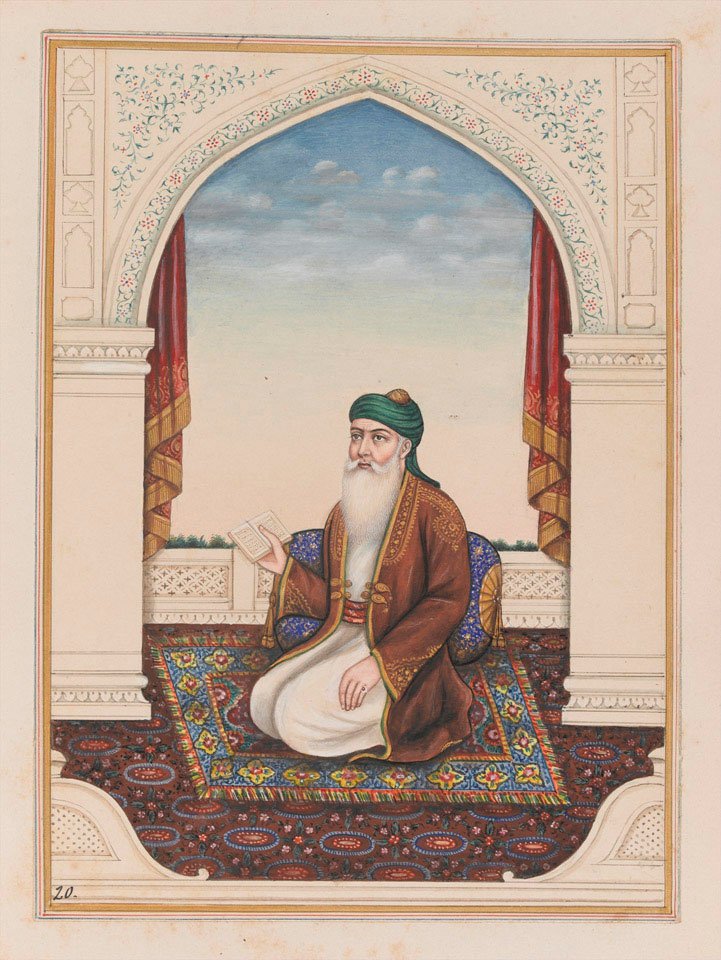
Fakir Imamuddin
Administration - Strategic Trust
Held significant responsibilities connected with administration and custody of strategic assets.
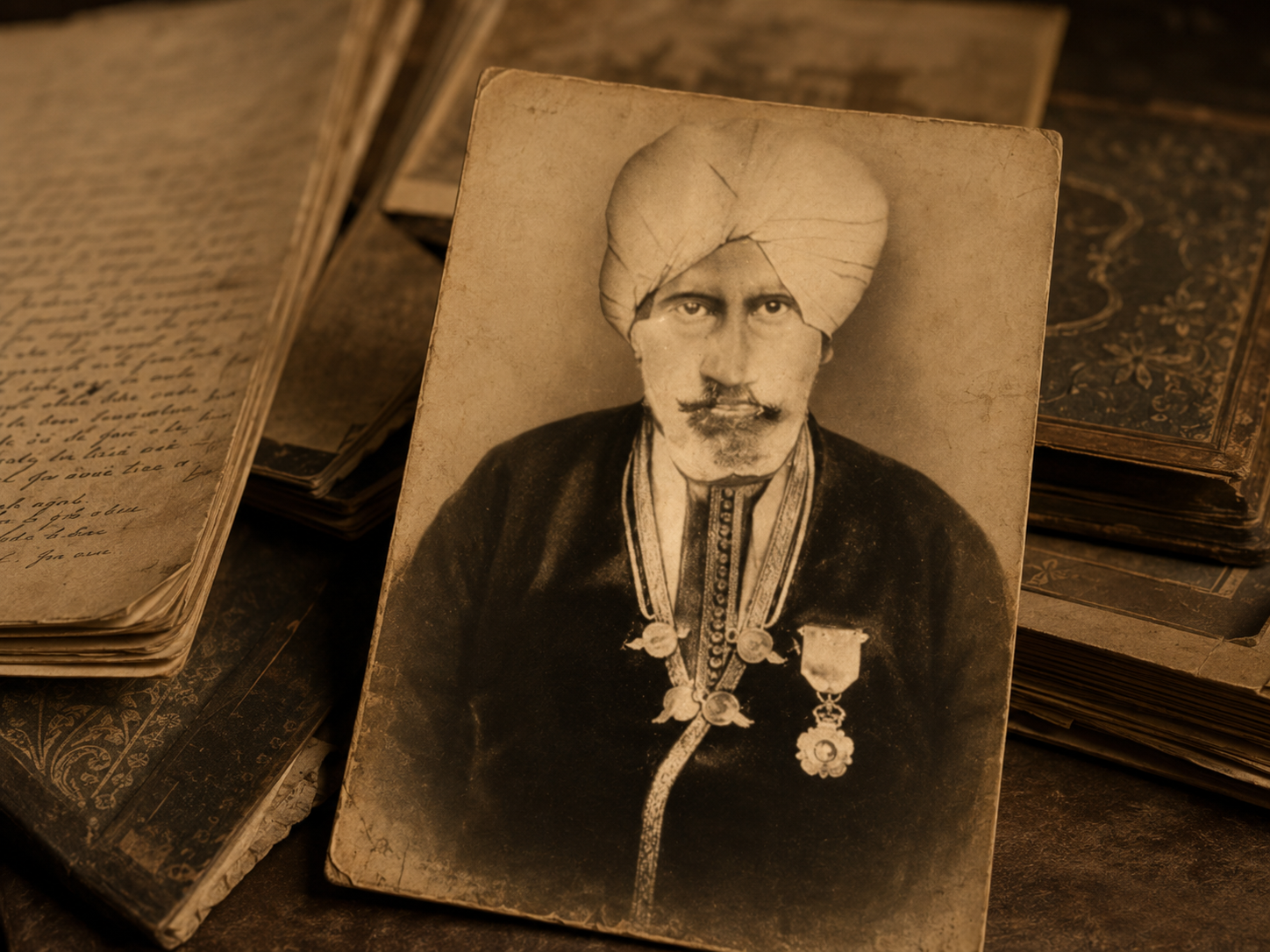
A Tradition of Cultural Stewardship
Through political change, Partition, urban transformation, and generations. Our family carefully preserved manuscripts, objects, and memories. We safeguarded what others entrusted to us
Our heritage survived because we treated preservation as a duty, Not a possession.
Preservation as a duty rather than a possession.
PROJECT INSPIRATION
Carrying the Legacy into the Digital Age
We pay tribute to earlier generations and to the vision that first carried Pakir Khana into the digital world.
This pioneering step was taken by Fakir Syed Iftikhar ud Din.
AUGUST 2004
Pakistan's Pioneering E-Museum Vision
A Visionary's Dream
A Labour of Love
THE NEXT CHAPTER
Faqir Syed Faisal ud Din: Renewing the Digital Journey
Institutional Platform
Searchable E-Museum
Enduring Public Resource
Ensuring long-term accessibility so scholars, students, and the public can learn, appreciate and engage responsibly.
EXPLORE THE LINEAGE
Family Tree and Interactive Shajra
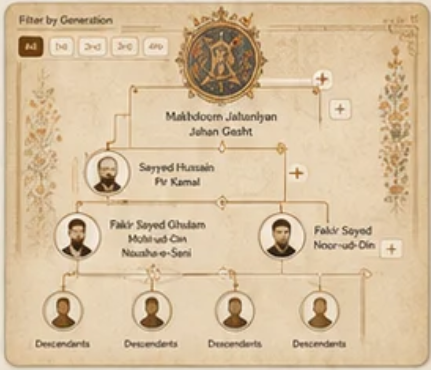
Explore features include:
- Approved Genealogical Record
- Expendable Family Branches
- Biographies and Portraits
- Connections to Museum Objects
- Public and Family-Authorised Virs
- Trust-Managed Corrections
The complete Shajra will be transcribed from the family's authoritative record and approved by designated family representatives before publication.
EXPLORE THE LINEAGE
18th Century
Early 19th Century
Azizuddin, Nooruddin, and Imamudan serve the Lahore Darbar.
19th Century
1901
20th Century