Maharaja Duleep Singh: the last Sikh sovereign of the Punjab
Maharaja Duleep Singh was proclaimed ruler of the Punjab at the age of five, lost his kingdom in 1849 and died in Paris on 22 October 1893.
Maharaja Duleep Singh was proclaimed ruler of the Punjab at the age of five, lost his kingdom in 1849 and died in Paris on 22 October 1893.
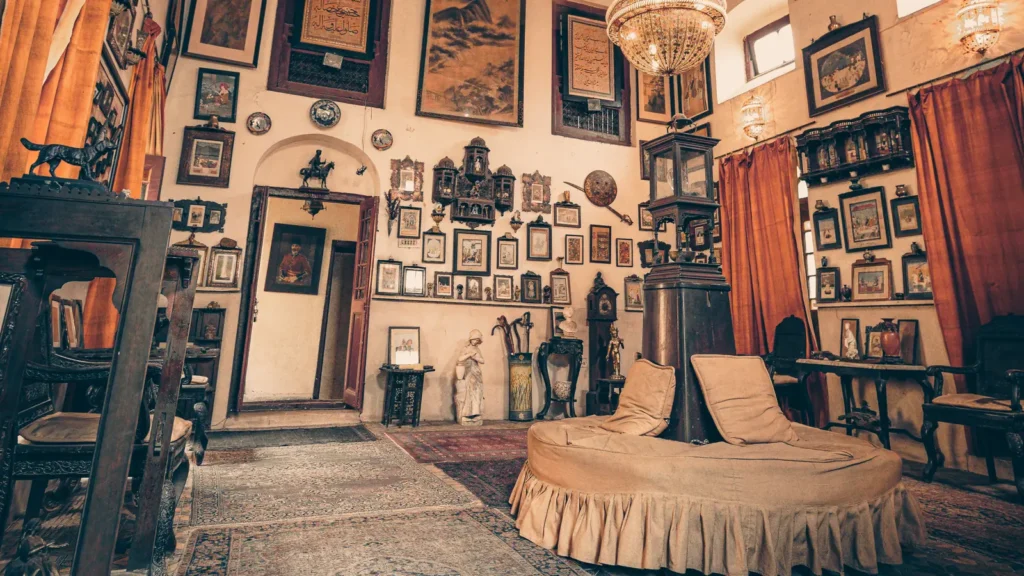
The age of the house, the Raja Todar Mal tradition, the object count, the trust, the generation count and the earliest Qur’an are open questions, and published accounts differ.

Maharaja Ranjit Singh was born on 13 November 1780 at Gujranwala, now in Pakistan, says the Encyclopaedia of Sikhism; a 2 November variant and a Badrukhan birthplace tradition also appear.

Most historians say Ranjit Singh was born at Gujranwala on 13 November 1780. Tradition names a haveli of his father Maha Singh, and the father’s samadhi stands at a corner of Sheranwala Bagh.
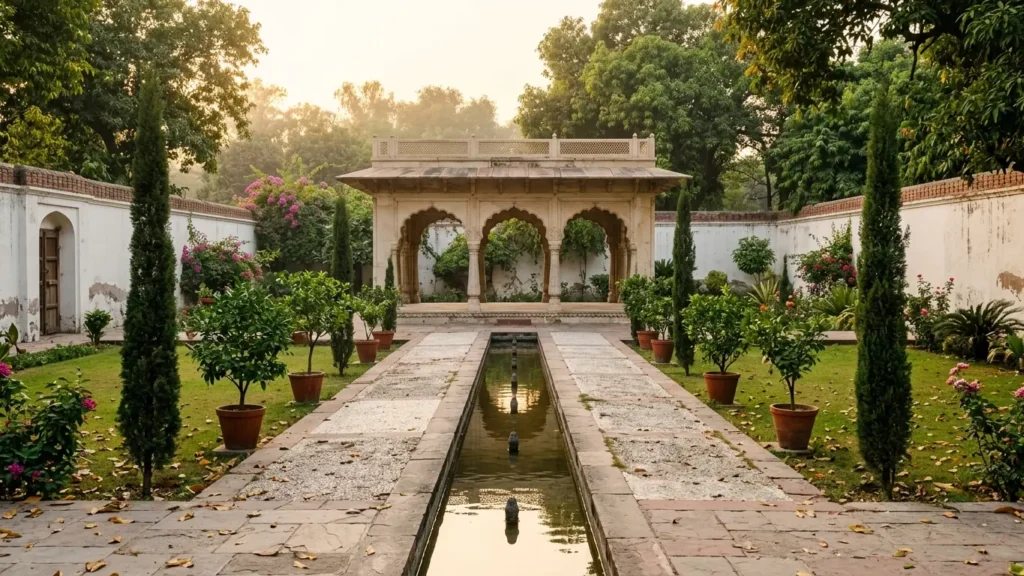
Ram Bagh is Maharaja Ranjit Singh’s garden and summer palace in Amritsar, laid out from 1819 on the pattern of Lahore’s Shalimar Bagh and named after Guru Ram Das.
The Nishan Sahib and two kinds of army banner are described for Ranjit Singh’s Punjab; the Encyclopaedia of Sikhism and the museum records of surviving standards describe no single state flag.

Fakir Khana Museum is a private family museum inside Bhati Gate, Lahore. Visits are by appointment, and the family counts around 20,000 objects while a verified inventory is prepared.
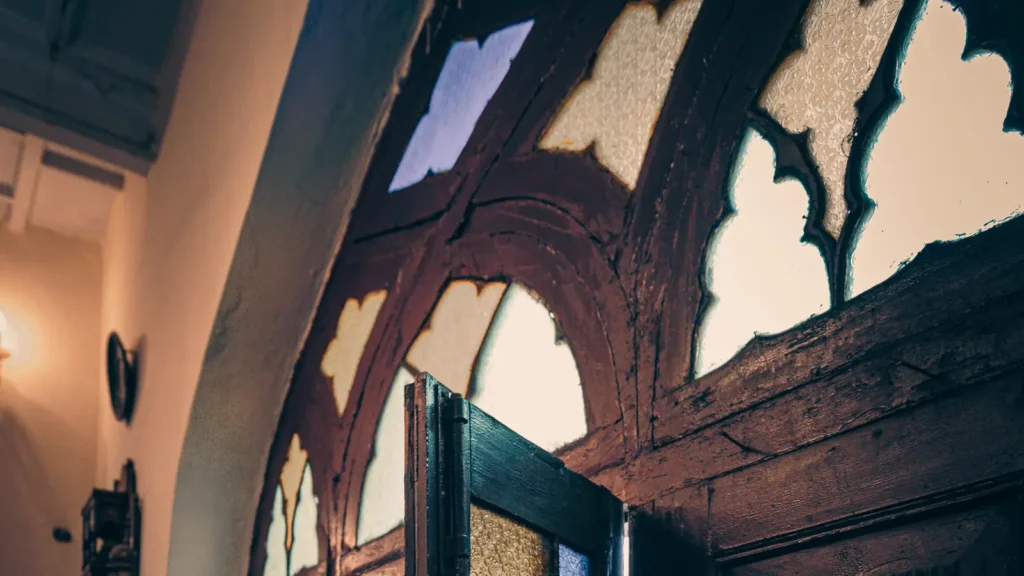
Fakir Khana, Faqir Khana and Faqeer Khana are English spellings of one Urdu name, فقیر خانہ, which the museum itself writes as Fakir Khana and renders in English as The House of the Humble Ones.
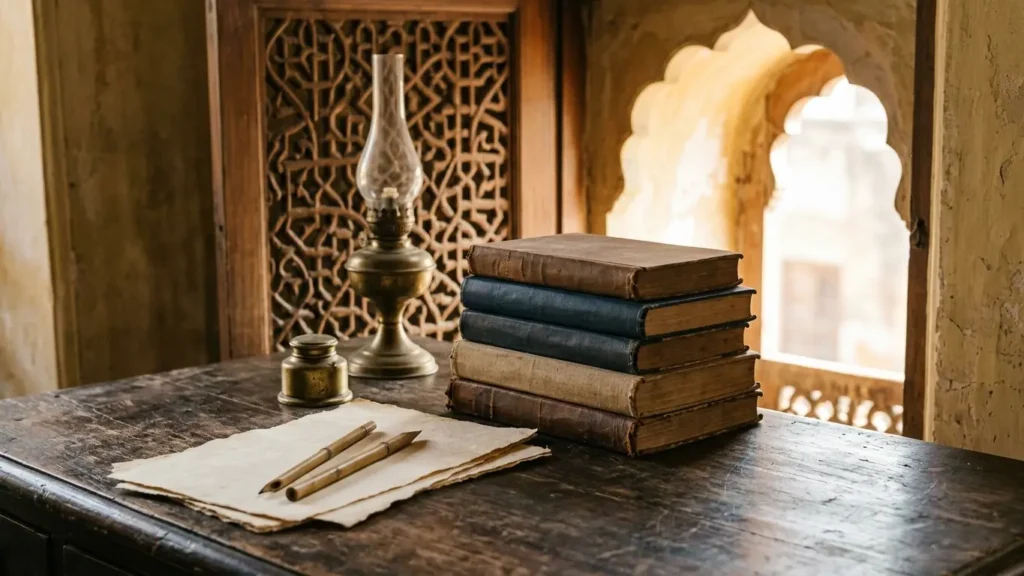
A reading list on Maharaja Ranjit Singh, from Sohan Lal Suri’s Persian court chronicle to Priya Atwal’s 2020 history of the Sikh empire, with two books by the Fakir family.
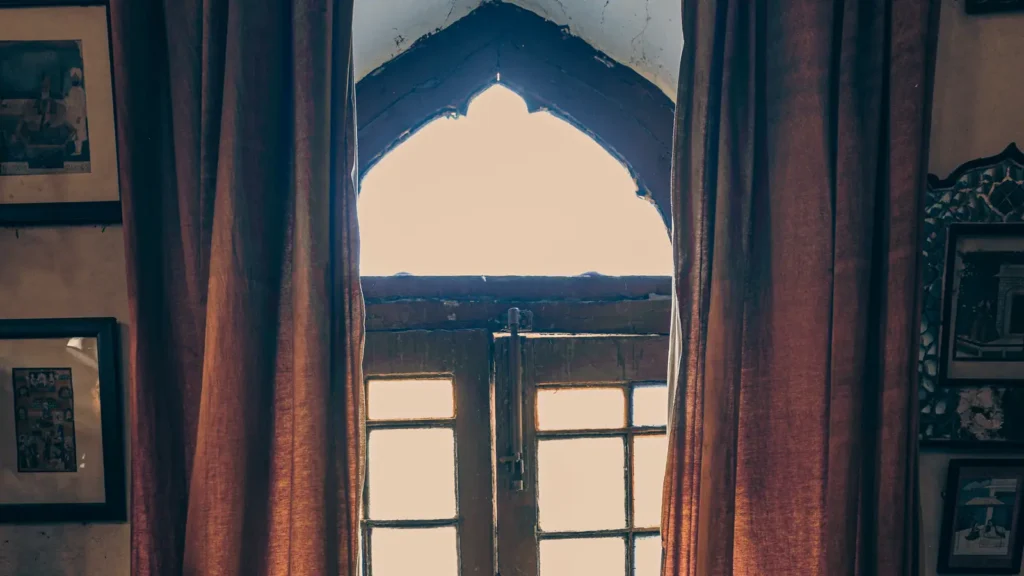
At least four different phone numbers and three versions of the opening hours are in circulation online for Fakir Khana Museum, where visits are by appointment.