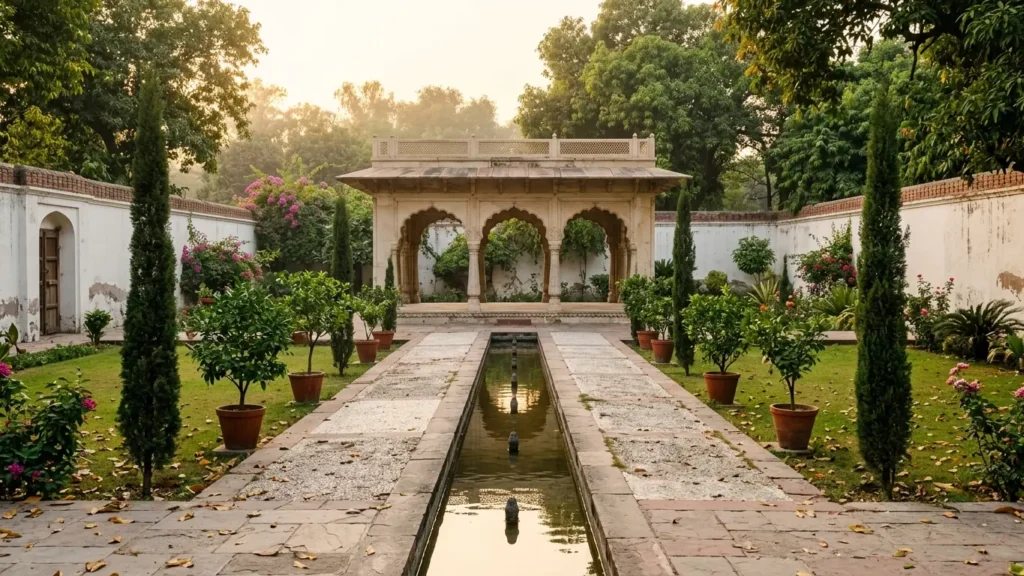
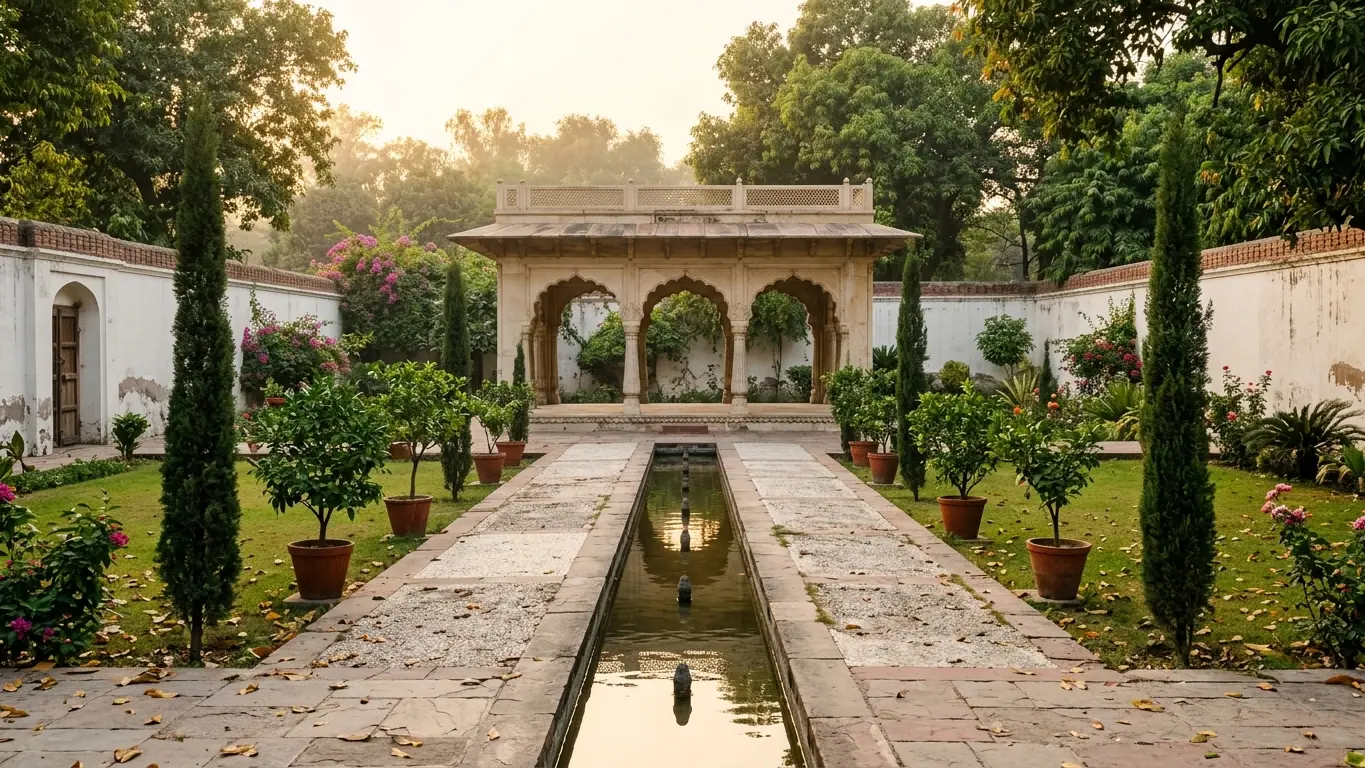
Ram Bagh is a garden and summer palace in Amritsar, Punjab, India, laid out by Maharaja Ranjit Singh from 1819 on the pattern of Shalimar Bagh in Lahore. It is named after Guru Ram Das, the fourth Sikh guru. The Maharaja Ranjit Singh Panorama, inaugurated in 2006, is a separate building in or beside the garden.
Learn more about the palace’s patron in the biography of Maharaja Ranjit Singh.
Where Ram Bagh is
Wikipedia says the main gateway (deorhi), on the garden’s southern side, faces the Harmandir Sahib (Golden Temple) and was converted into a museum during British rule, and that a less elaborate gateway stands at the north end. The Tribune reported in 2007 that the British renamed the garden Company Bagh.
The garden has been protected as a monument of national importance since 2004, the Tribune reported in 2021, and three British-era clubs, the Service Club, the Lumsden Club and the Amritsar Club, operate from parts of the grounds. The 2007 report says the clubs have been in existence since 1908. On 3 March 2026 the Tribune reported that the Akal Seva Foundation had launched a plantation drive outside the Summer Palace, and that the Archaeological Survey of India had granted permission to plant 10,000 saplings in the area.
Building the summer palace
In the middle of the garden Ranjit Singh built a two-storeyed red-stone summer palace, now called a baradari. Wikipedia dates its completion to 1831 and adds a basement, four watchtowers at the garden’s corners, and original walls about fourteen feet tall of which only the foundations survive. The Tribune reported in 2007 that the palace cost Rs 1,25,000, or 125,000 rupees.
The same report says the garden and its buildings were constructed under the supervision of Fakir Azizuddin, together with Sardar Desa Singh and Sardar Lehna Singh Majithia, and that workmen he brought from Delhi did the red-stone work. Live History India calls Fakir Azizuddin the Maharaja’s foreign minister and confidant.
The Panorama
The Tribune reported in 2016 that the Maharaja Ranjit Singh Panorama is a tall cylindrical building, built by the National Council of Science Museums at a cost of Rs 5 crore, or 50 million rupees, and inaugurated on 20 July 2006 by the then Chief Minister. Sources place it inside the garden near the summer palace, or beside the garden’s north-west corner; either way it is a separate building. In 2016 the Tribune described its condition as poor.
Check opening arrangements for the palace and the Panorama with the Amritsar authorities before you travel.
Ranjit Singh in Lahore
In Lahore Ranjit Singh lived in the Lahore Fort. Live History India names the Sheesh Mahal as his private residence and the Shah Burj as his office, and says he died in the fort on 27 June 1839; Wikipedia says he used the fort’s summer palace as his residence and that the Shah Burj became his favourite place. Live History India also says Hazuri Bagh was built in 1818 under the supervision of Fakir Azizuddin, with an open hall with glass ceilings where the Maharaja held court.
The Haveli of Nau Nihal Singh in the Walled City, which Live History India calls one of the grandest surviving havelis in Lahore and says is now a girls’ school, was built around 1836 to 1837 as a personal residence for Ranjit Singh’s grandson Nau Nihal Singh.
Gobindgarh and the treasury
Gobindgarh Fort also stands in Amritsar. Fakir Imamuddin was its qiladar, or garrison commander. The Encyclopaedia of Sikhism says he virtually acted as the chief treasurer of the kingdom, that the bulk of the Sikh crown jewels was kept in deposit at the fort, that he looked after the magazine, arsenal and studs, and that he held command of 500 horse. He died at Lahore on 5 December 1847, and his only son Taj ud-Din succeeded him as qiladar.
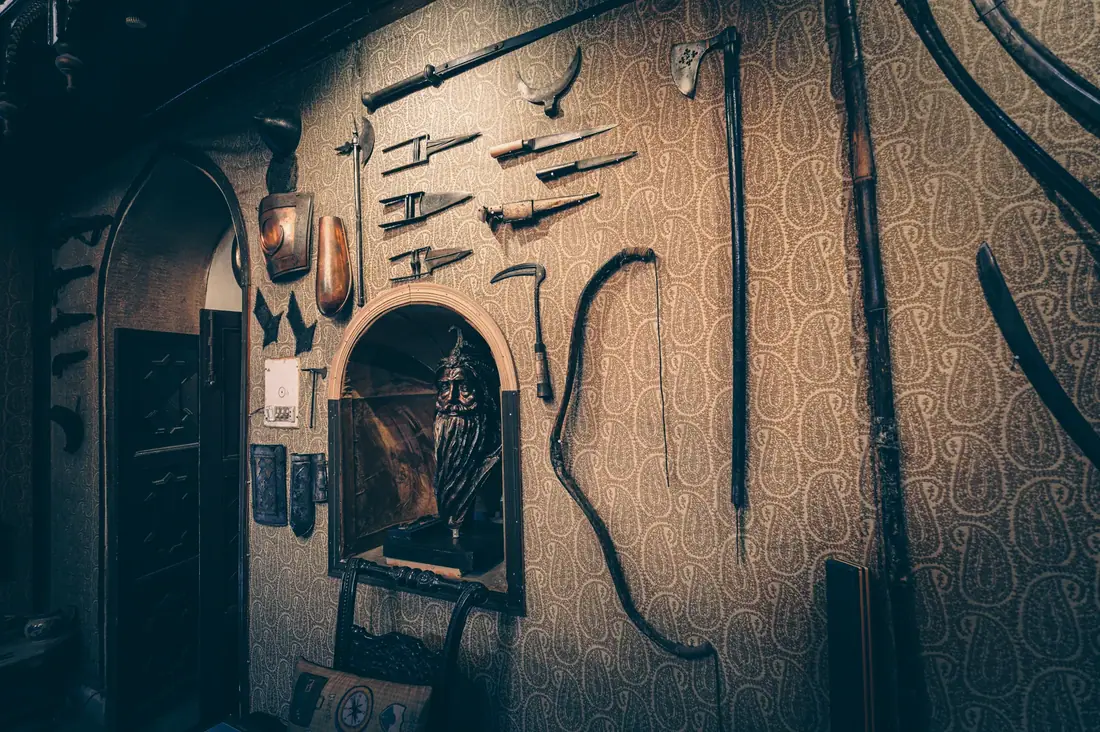
Fakir Khana Museum in Lahore is visited by appointment: call or write to arrange a visit. Meet the Fakir family who served Ranjit Singh.
Frequently Asked Questions
When was Maharaja Ranjit Singh’s summer palace at Ram Bagh built?
Work on Ram Bagh in Amritsar began in 1819, and the garden was laid out on the pattern of Shalimar Bagh in Lahore. Wikipedia dates the completion of the two-storeyed red-stone palace to 1831, and the Tribune reported in 2007 that it cost Rs 1,25,000, or 125,000 rupees.
Did Fakir Azizuddin have a role in building Ram Bagh?
The Tribune reported in 2007 that the garden and buildings of Ram Bagh were constructed under the supervision of Fakir Azizuddin, together with Sardar Desa Singh and Sardar Lehna Singh Majithia, and that workmen he brought from Delhi did the red-stone work.
Is the Maharaja Ranjit Singh Panorama inside the summer palace?
No. The Panorama is a separate cylindrical building, placed inside the garden near the summer palace by the Tribune and beside the garden’s north-west corner by Wikipedia. It was inaugurated on 20 July 2006, and in 2016 the Tribune described its condition as poor. Check opening arrangements with the Amritsar authorities before you travel.
What was Fakir Imamuddin’s role at Gobindgarh Fort in Amritsar?
Fakir Imamuddin was qiladar, or garrison commander, of Gobindgarh Fort at Amritsar. The Encyclopaedia of Sikhism says he virtually acted as the chief treasurer of the kingdom, and that the bulk of the Sikh crown jewels was kept in deposit at the fort. He died at Lahore on 5 December 1847.
Sources and Further Reading
- The Tribune (12 August 2007), Spectrum: Ram Bagh — Work begun in 1819 on the pattern of Shalimar Bagh, the two-storeyed palace and its reported cost, supervision by Fakir Azizuddin and the renaming as Company Bagh
- The Tribune (April 2021): Deorhi in historic Ram Bagh cries for attention — Naming after Guru Ram Das, protected status since 2004 and three clubs operating on the grounds
- The Tribune (22 July 2016): Ranjit Singh Panorama in bad shape — The Panorama as a cylindrical building near the summer palace, its 2006 inauguration, cost and condition in 2016
- The Tribune (3 March 2026): Foundation moves to preserve Maharaja Ranjit Singh’s legacy — The plantation drive outside the Summer Palace and the ASI permission to plant 10,000 saplings
- Ram Bagh, Amritsar (Wikipedia) — 1819 start and 1831 completion, two storeys and basement of red stone, four watchtowers, the gateways and the Panorama’s position
- Ranjit Singh’s Lahore (Live History India) — Hazuri Bagh built in 1818 under Fakir Azizuddin’s supervision, Ranjit Singh’s quarters and death in the Lahore Fort, and the Haveli of Nau Nihal Singh
- Lahore Fort (Wikipedia) — Ranjit Singh’s use of the fort’s summer palace as his residence
- Imam ud-Din Faqir (d. 1847), Encyclopaedia of Sikhism — Fakir Imamuddin as qiladar of Gobindgarh Fort, his charge of the treasury, command of 500 horse, death in 1847 and succession by his son