Three Muslim brothers of the Fakir family, Azizuddin, Imamuddin and Nuruddin, served Maharaja Ranjit Singh, each in a different office. Azizuddin entered through medicine in 1799 and went on to conduct the kingdom’s foreign relations. Imamuddin kept the treasury fort at Gobindgarh, and Nuruddin was court physician and later governor of Gujrat. For the sequence of their appointments and later service, see the Fakir brothers’ timeline.
A plural court
The Encyclopaedia of Sikhism says Ranjit Singh’s court reflected the liberal pattern of his state and that the first families to rise included the Fakirs. It says his army, though Sikh at its core, had large contingents of Muslims, mainly in the artillery, and of Hindus. Wikipedia describes his Khalsa army and government as including Sikhs, Muslims, Hindus and Europeans.
Why physicians became envoys
Medicine was the family’s inherited profession, as a Tanqeed essay puts it, and they settled in Lahore as hakims (physicians), the Encyclopaedia records. In 1799, when Ranjit Singh took Lahore, Azizuddin was apprenticed to Hakim Rai, the principal physician of the city, who sent his pupil to treat the Maharaja for an eye ailment. Ranjit Singh, impressed, made him his personal physician and gave him a jagir. Nuruddin was made court hakim in 1801.
The Maharaja’s blind eye features in a story told of Azizuddin. In a family account in Tanqeed, he is said to have told Lord William Bentinck in 1831 that he had never looked at the Maharaja’s face closely enough to know which eye was blind.
Persian and the paperwork of state
Persian was the language of state papers, and the Encyclopaedia says Azizuddin was entrusted with drafting them. He was learned in Arabic as well as Persian. The entry on him, written by F.S. Aijazuddin of the Fakir family, says he remained almost solely responsible for the kingdom’s foreign relations throughout the reign, from the Treaty of Amritsar in 1809 to the negotiations that led to the Tripartite Treaty of 1838.
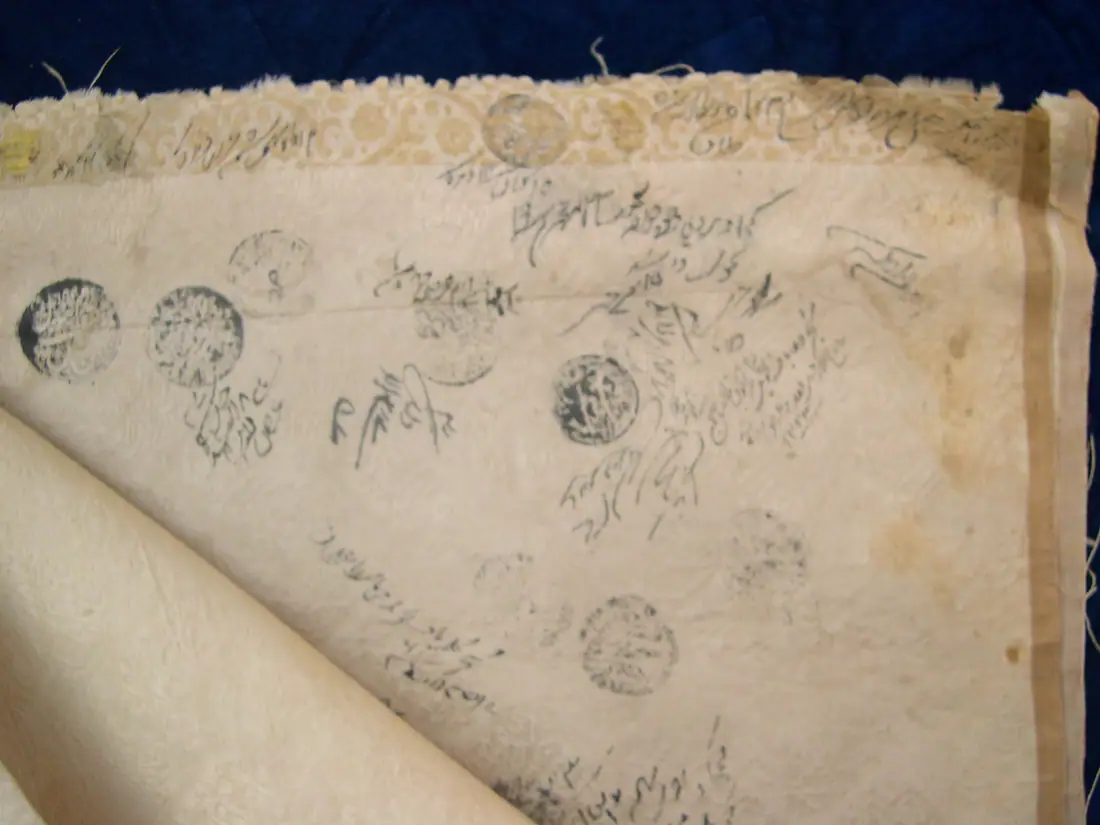
His brothers held other posts. In August 1808 Imamuddin was sent to Patiala to receive the British envoy Charles Metcalfe. He later became keeper of Gobindgarh, the treasury fort at Amritsar, and performed protocol duties for foreign visitors. Nuruddin also performed protocol duties and received foreign travellers. The administration of the capital and the artillery stores were among his charges, and he took Wazirabad in June 1810 and was soon appointed governor of Gujrat. Foreign travellers praised his abilities, and the Encyclopaedia quotes the traveller Hugel calling him “an upright yet versatile courtier”.
Other Muslim officials of the darbar
Heavy artillery was raised under a Muslim, Chaudhari Ghaus Khan, who was put in charge of both artillery wings, the Topkhana-i-Khas and the Topkhana-i-Mubarak, the Encyclopaedia says. The Friday Times also names him as head of the artillery and says the guns were initially manned mostly by Muslims.
His son Sultan Mahmud Khan commanded a section of heavy artillery, the Topkhana-i-Sultan Mahmud, and was present at the Ropar meeting with Lord William Bentinck in October 1831. Wikipedia calls him a Punjabi Muslim commander of the Sikh Khalsa Army. In the second Anglo-Sikh war, the Encyclopaedia says, he and his son joined the rebel Sikh forces at Ramnagar and fought against the English, and he died in 1859.
Loyalty after 1839
Ranjit Singh died on 27 June 1839. Majid Sheikh, reviewing F.S. Aijazuddin’s The Resourceful Fakirs in Dawn, summarises its argument that the Maharaja’s family and other relations betrayed the Sikh cause after 1839, while the Fakir family remained loyal, or at best silent. The Encyclopaedia entry on Azizuddin, also by Aijazuddin, says he remained scrupulously aloof from factional intrigues, and its entry on Imamuddin calls him one of the most devoted and loyal servants of the darbar.
The brothers’ service went on under the Maharaja’s successors. Azizuddin was sent to Lord Auckland in December 1839 for Maharaja Kharak Singh and to Lord Ellenborough in December 1842 for Sher Singh. Nuruddin signed the Treaty of Lahore on 9 March 1846 and sat on the Council of Regency from December 1846. Two of the brothers’ sons also served: Imamuddin’s son Taj ud-Din succeeded him at Gobindgarh, and Nuruddin’s son Zahur ud-Din was for a time tutor to Duleep Singh.
Where the sources differ
Khushwant Singh writes in the Encyclopaedia of Sikhism that efficiency was the main criterion for office, without any consideration of caste and creed. A 2016 Tanqeed essay cautions that the wider question of religion and the Sikh state is debatable and far more complicated. Dawn‘s reviewer calls the three brothers trusted ministers, while the Encyclopaedia gives each a separate office.
Meet the family that keeps Fakir Khana Museum.
Frequently Asked Questions
Who were the three Fakir brothers at Maharaja Ranjit Singh’s court?
Azizuddin, Imamuddin and Nuruddin were three Muslim brothers of the Fakir family who served Maharaja Ranjit Singh in separate offices. Azizuddin conducted foreign relations, Imamuddin kept the treasury fort at Gobindgarh, and Nuruddin was a court physician who later governed Gujrat. Dawn’s reviewer calls them trusted ministers.
How did Fakir Azizuddin enter Maharaja Ranjit Singh’s service?
In 1799, when Ranjit Singh took Lahore, Azizuddin was apprenticed to Hakim Rai, the city’s principal physician. Sent to treat the Maharaja for an eye ailment, Azizuddin impressed the ruler, who appointed him personal physician and granted him a jagir, as the Encyclopaedia of Sikhism records.
What language was used for state papers at Ranjit Singh’s court?
Persian was the language of state papers at the Lahore court. The Encyclopaedia of Sikhism says Fakir Azizuddin was entrusted with drafting them, and that he was learned in Arabic as well as Persian. The same entry says he conducted the kingdom’s foreign relations from the Treaty of Amritsar in 1809 to the negotiations that led to the Tripartite Treaty of 1838.
Were there other Muslim officers at Ranjit Singh’s court?
Muslim officers commanded artillery. The Encyclopaedia of Sikhism says heavy artillery was raised under a Muslim, Chaudhari Ghaus Khan, who was put in charge of both artillery wings, and that the army had large contingents of Muslims, mainly in the artillery. The Friday Times also names him as head of the artillery.
Did the Fakir brothers keep their posts after Ranjit Singh died in 1839?
Their service continued under his successors. The Encyclopaedia of Sikhism records that Azizuddin was sent to Lord Auckland in December 1839 for Maharaja Kharak Singh and to Lord Ellenborough in December 1842 for Sher Singh. Nuruddin signed the Treaty of Lahore on 9 March 1846 and sat on the Council of Regency from December 1846.
Sources and Further Reading
- Encyclopaedia of Sikhism entry on Aziz ud-Din — Azizuddin’s medical entry in 1799, languages, Persian state papers, foreign relations from 1809 to 1838, aloofness from factional intrigues, and missions after 1839.
- Encyclopaedia of Sikhism entry on Imam ud-Din — Imamuddin’s August 1808 mission to receive Charles Metcalfe, his service as keeper of Gobindgarh Fort and his loyalty to the Darbar.
- Encyclopaedia of Sikhism entry on Nur ud-Din — Nuruddin’s 1801 appointment as court hakim, protocol duties, the capture of Wazirabad and governorship of Gujrat in 1810, and the Treaty of Lahore and Regency in 1846.
- Encyclopaedia of Sikhism entry on Ranjit Singh — The liberal pattern of Ranjit Singh’s court, the Fakirs among the first families to rise, Muslims in the army, Ghaus Khan’s artillery command, and Khushwant Singh on how officials were chosen.
- Encyclopaedia of Sikhism entry on Sultan Mahmud Khan — Sultan Mahmud Khan’s artillery command, the October 1831 Ropar meeting, the second Anglo-Sikh war and his death in 1859.
- The Friday Times: Calling in the big guns, Ranjit Singh’s Topkhana II — Ghaus Khan as head of the artillery and the guns being manned mostly by Muslims.
- Review of The Resourceful Fakirs – Dawn — Majid Sheikh’s review calling the brothers trusted ministers and summarising the book’s account of the family’s loyalty after 1839.
- Tanqeed: A visit to the Fakir Khana — A family account of Azizuddin and Lord William Bentinck, and the caution that the question of religion and the Sikh state is debatable.