Mughal miniature paintings: an introduction for first-time viewers
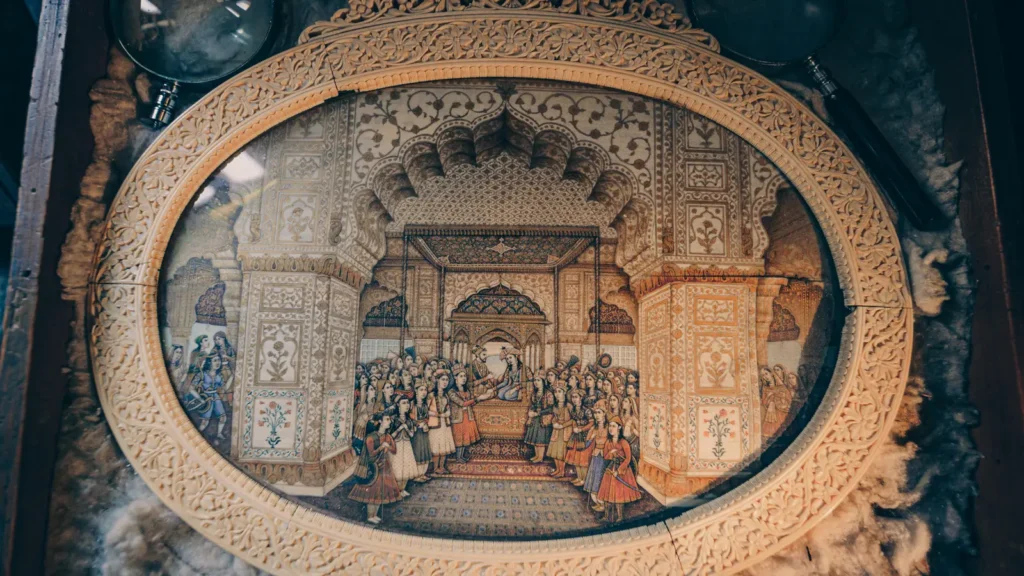
Mughal miniature paintings are court pictures made under the Mughal emperors, from the 16th to the 18th century, in workshops that built on Persian painting.
Mughal miniature paintings are court pictures made under the Mughal emperors, from the 16th to the 18th century, in workshops that built on Persian painting.
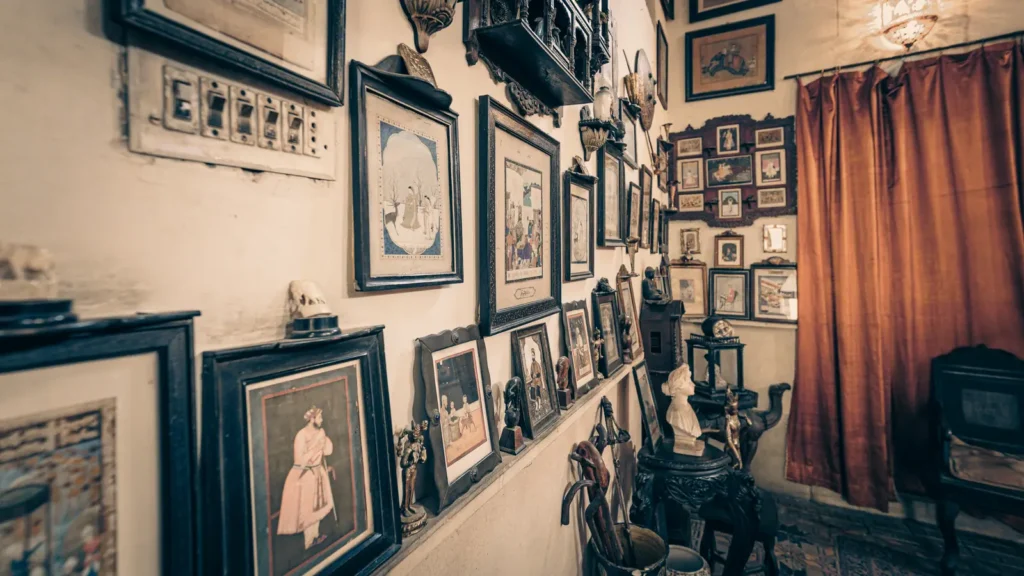
Fakir Khana is a traditional three-storey haveli in Hakiman Bazaar, Lahore, with a wooden entrance gate, an internal courtyard and galleries on the upper floor.
Fakir Khana Museum holds a handmade jamawar robe that it describes as Maharaja Ranjit Singh’s, with a sash and shawl its director also attributes to him.
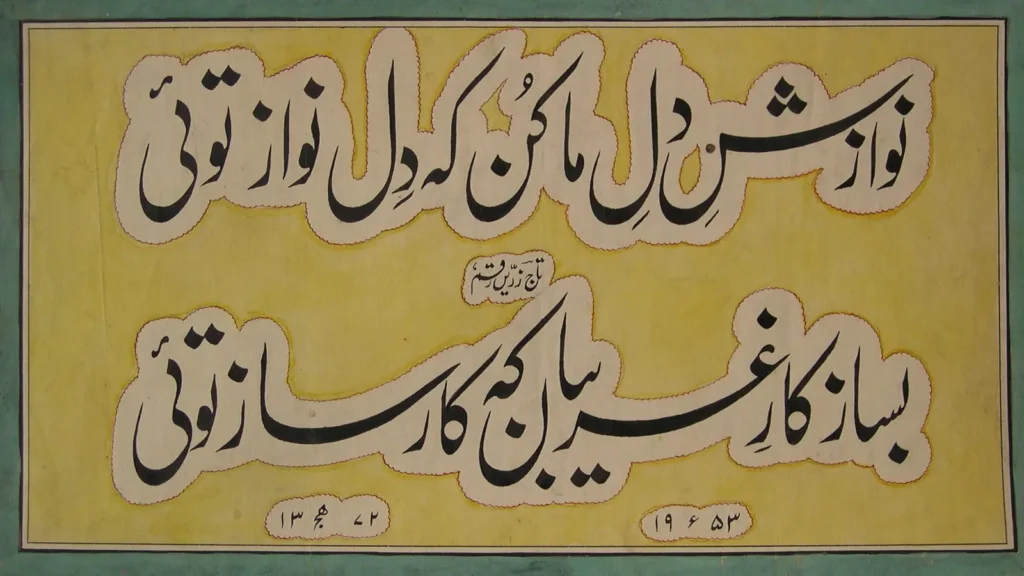
Islamic calligraphy is the decorative writing of the Arabic script: its main scripts, the reed pen and ink, the masters from Ibn Muqla to Yaqut, and the pieces at Fakir Khana.
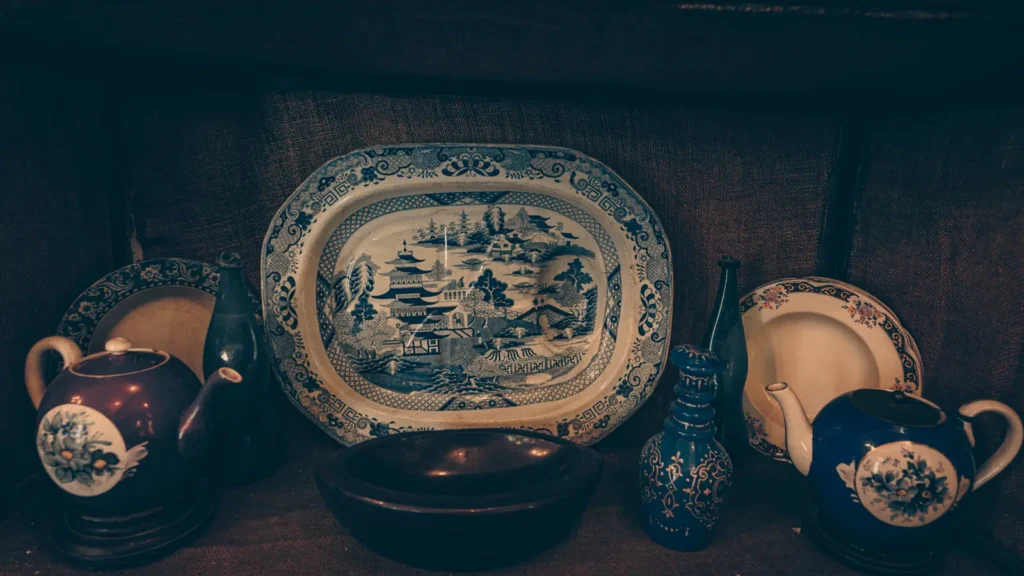
Ten objects and rooms to ask about at Fakir Khana Museum, from a miniature said to have taken fifteen years to the Gol Kamra and the Gandhara heads.
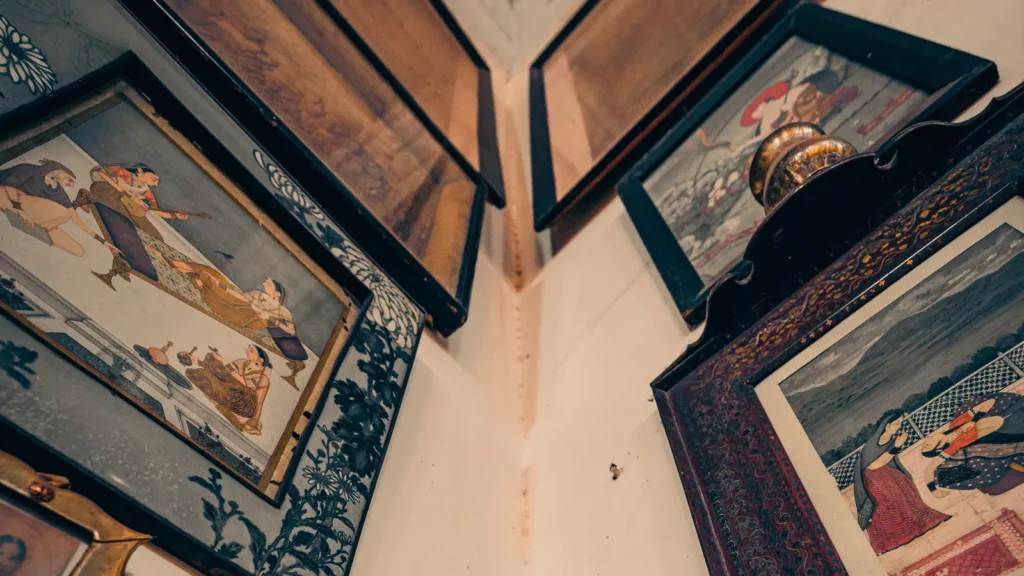
Fakir Khana Museum holds a miniature it attributes to Kher Singh, and its director says the two figures behind Maharaja Sher Singh are his killers.
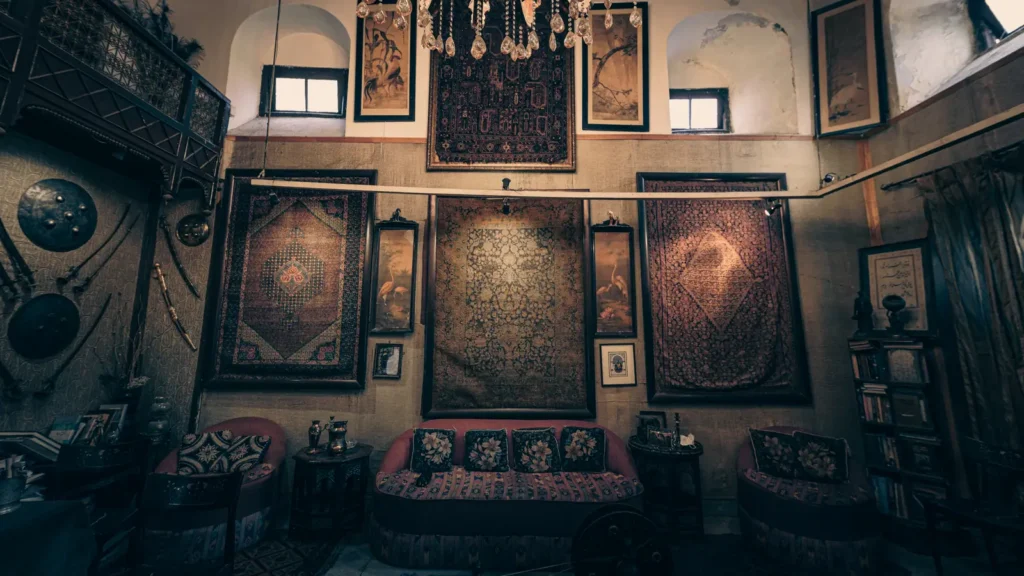
The museum describes The General’s Carpet as Mughal work from Shah Jahan’s weaving factory in Lahore, with a human face woven into its floral pattern.

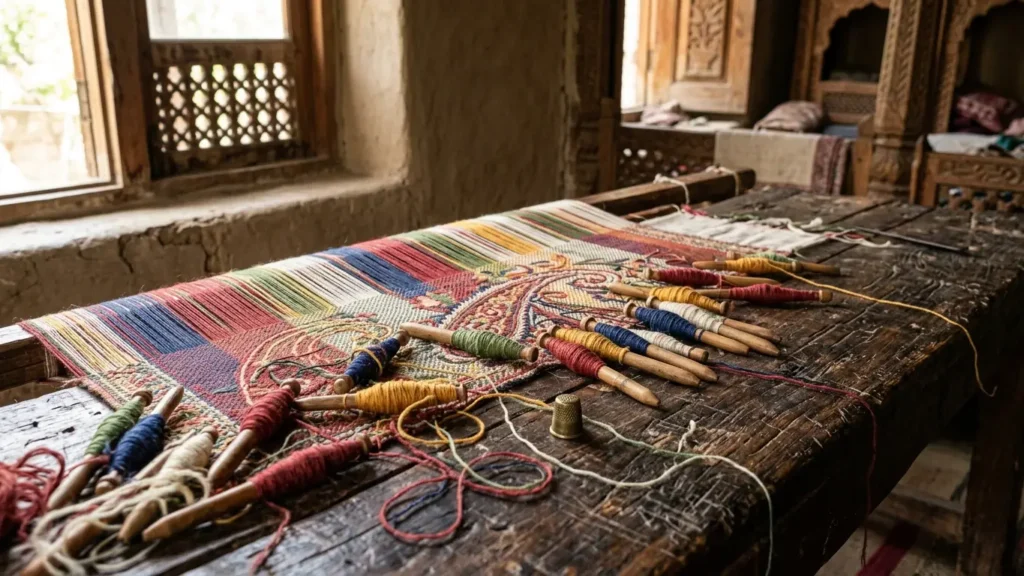
Jamawar was patterned cloth woven in lengths to be tailored into a jama, or robe; the classic Kashmir shawl was hand-woven in the kani technique with the bent-tip buta motif.

Fakir Khana Museum’s 19th-century portrait of Nawab Mumtaz Ali Khan is traditionally said to have been painted over fifteen years with a brush of a single hair.

A Kashmiri pashmina shawl is woven from pashm, the fine undercoat of high-plateau goats that the West calls cashmere, and it is generally finer than sheep’s wool.