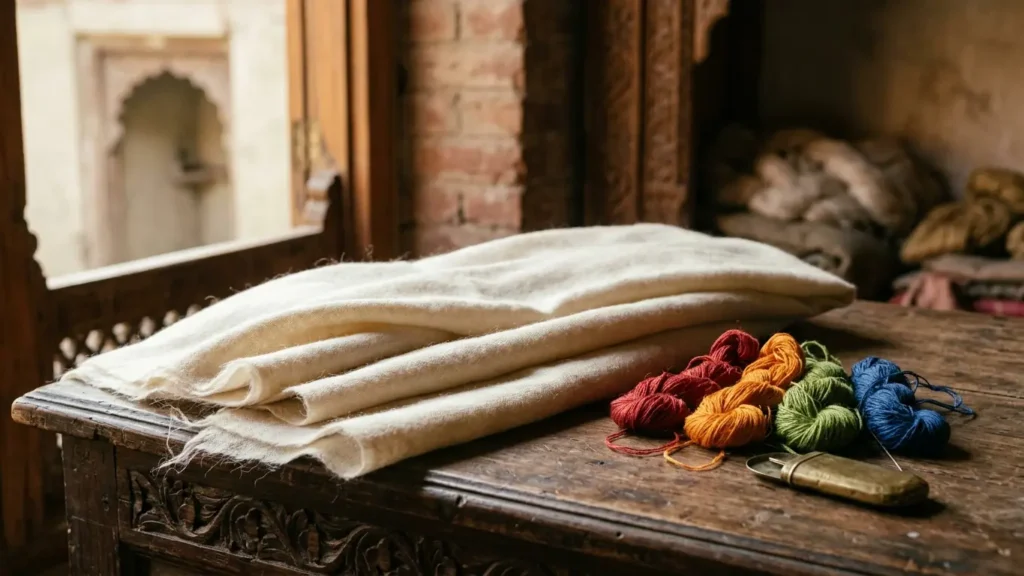
Maharani Jind Kaur’s Kashmiri shawl at Fakir Khana
Fakir Khana Museum holds a fine Kashmiri shawl that it believes belonged to Maharani Jind Kaur; the museum’s online record says she presented it to Qamaruddin of the Fakir family.
Fakir Khana Museum holds a fine Kashmiri shawl that it believes belonged to Maharani Jind Kaur; the museum’s online record says she presented it to Qamaruddin of the Fakir family.

Fakir Khana Museum describes a wooden panel with the Kalima carved in relief, and a sheet of nasta’liq script in pink cloud bands on a gold-sprinkled ground.
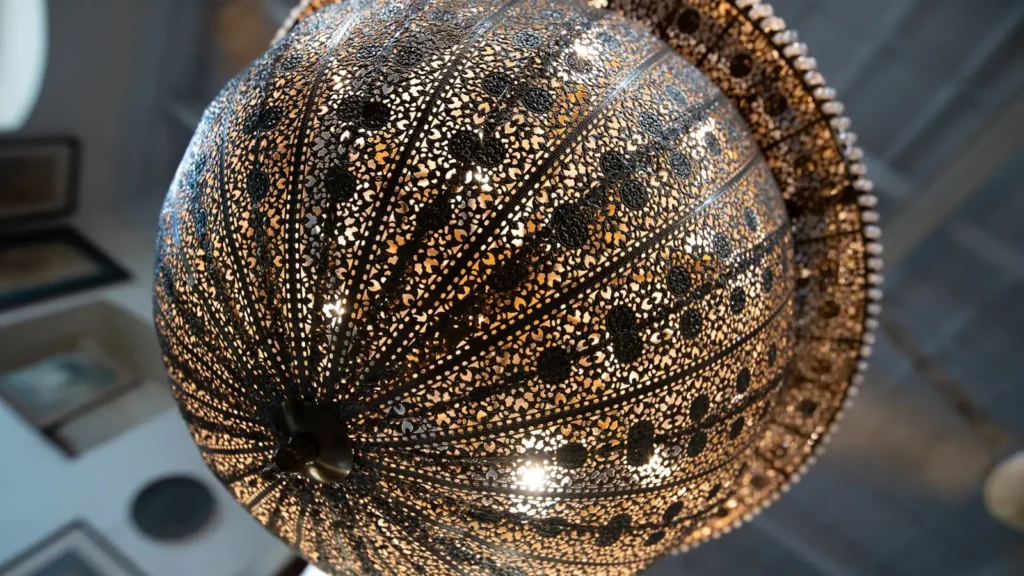
فقیر خانہ میوزیم اندرون لاہور میں بھاٹی دروازے کے اندر بازار حکیماں میں فقیر خاندان کا نجی عجائب گھر ہے، جہاں دورہ پیشگی وقت لے کر کیا جاتا ہے۔
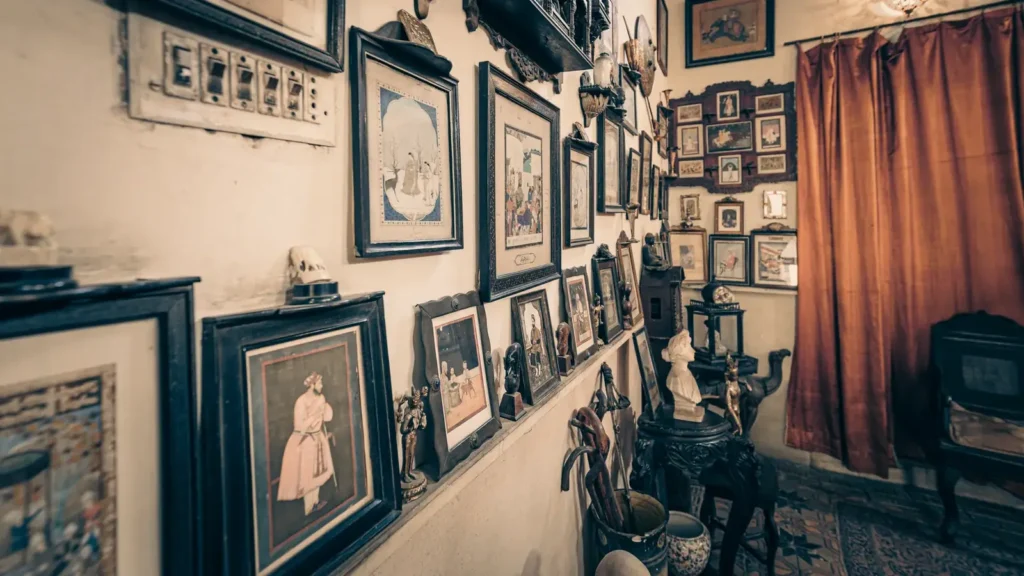
Schoefft and Bishan Singh painted Ranjit Singh’s darbar after his death, and Fakir Khana Museum holds a Sikh-court painting, Court of Maharaj Sher Singh, credited to Kher Singh.
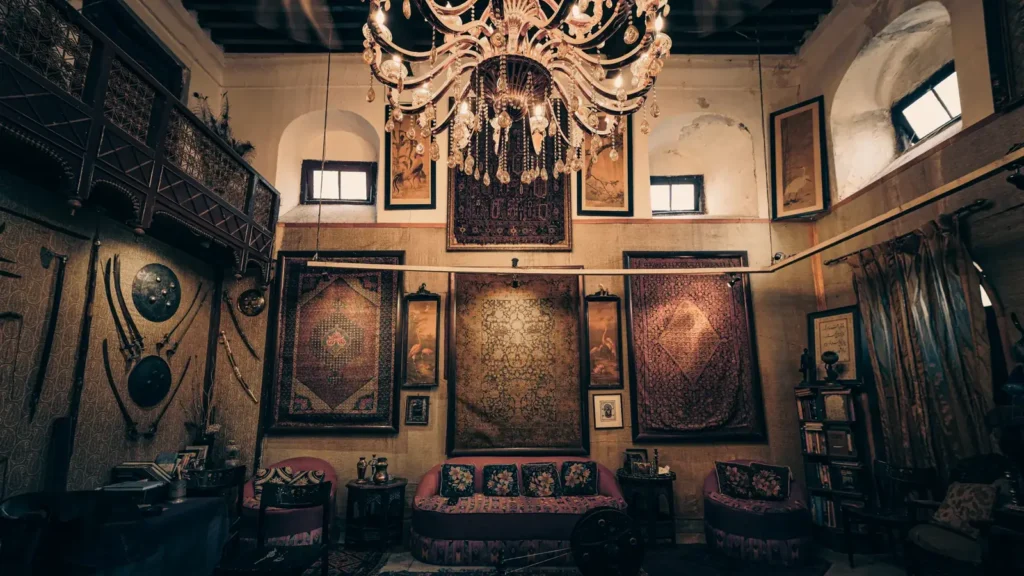
Persian carpet weaving became a statewide industry under dynasties including the Safavids, and Persian designs shaped the carpets of the Mughal court, whose workshops included Lahore.

Fakir Khana Museum stands in Hakiman Bazaar inside Bhati Gate, in the Walled City of Lahore. The family counts around 20,000 objects, and visits are by appointment.
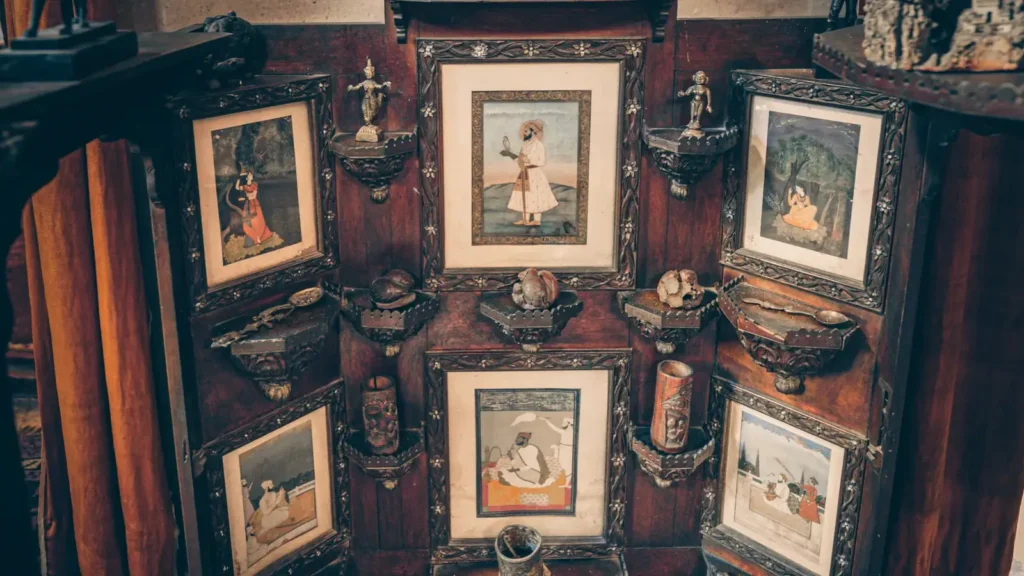
Miniature painting is the South Asian art of small, highly detailed pictures; this glossary explains its materials, techniques, formats and schools.

Fakir Khana Museum says the Fakir family opened its Lahore house and collection to the public in 1901. A 2017 magazine account dates a family trust and collection list to 1937.