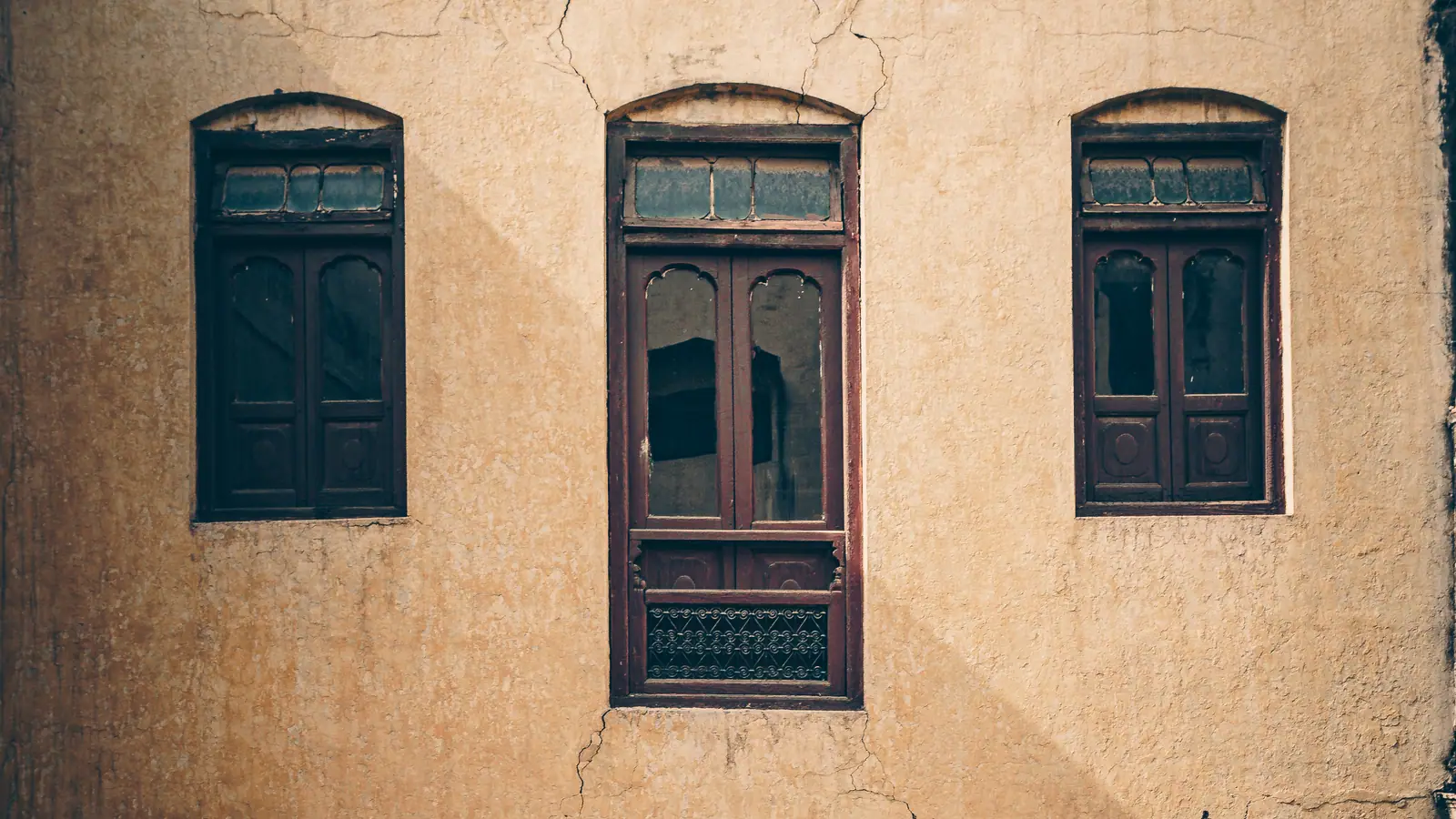
Fakir Khana Museum is a private family museum in Hakiman Bazaar, inside Bhati Gate in the Walled City of Lahore. Press accounts put it about 500 metres inside the gate. The museum says it opened to the public in 1901 and holds around 20,000 objects by the family’s count. Visits are by appointment.
Where the museum sits in the Walled City
The address of Fakir Khana Museum is Hakiman Bazaar, Kucha Fakir Khana, also spelt Faqirkhana, and Kucha Astana Sharif, inside Bhati Gate, which the Walled City of Lahore Authority spells Bhatti. Hakiman Bazaar begins at the gate, and the Authority notes that it has a number of hakim (traditional physician) shops. Press accounts from 2015 to 2018 put the entrance on the right-hand side, about 500 metres in, and the museum’s story on Google Arts & Culture describes the walk from the gate as barely five minutes.
The Authority also places the house where Allama Iqbal lived as a student at Bhatti Gate.
A family house, open to the public from 1901 by the museum’s account
The museum stands in the house of the Fakir family, who settled in Lahore around 1730, by the family’s account. Their traditional calling was medicine, and the Encyclopaedia of Sikhism describes them as hakims, or physicians.
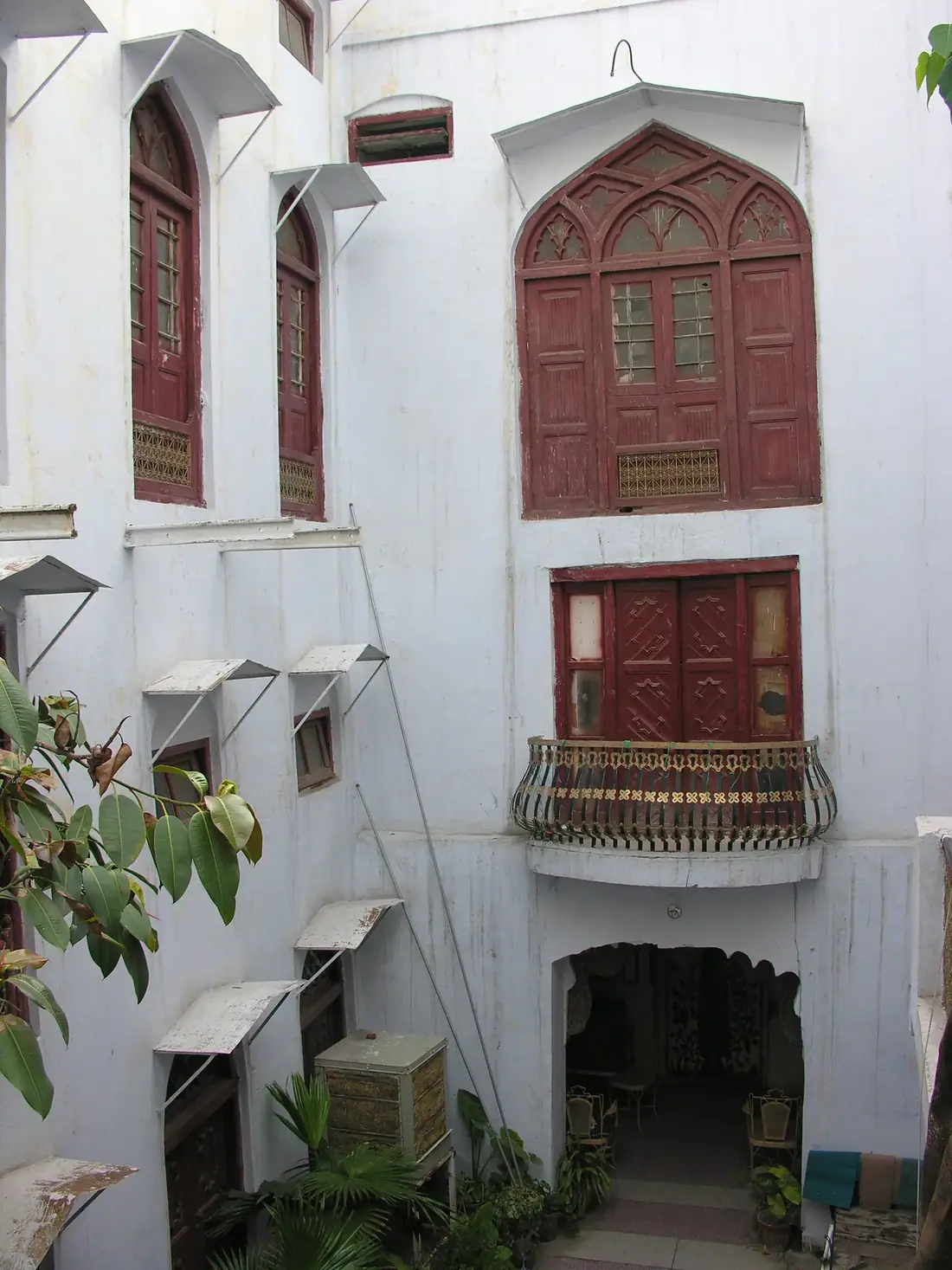
The museum says the house and its collection were opened to the public in 1901. The Gol Kamra, the house’s round sitting room, is now the Hall of Carpets.
Three brothers at Ranjit Singh’s court
Three brothers of the family, Fakir Azizuddin, Fakir Imamuddin and Fakir Nuruddin, served Maharaja Ranjit Singh as courtiers. Ranjit Singh took Lahore in 1799.
The Encyclopaedia of Sikhism describes Azizuddin as “physician, diplomat, and foreign minister” at the court, and Gulf News also gives him the role of foreign minister. The encyclopaedia records Imamuddin as qiladar, or garrison commander, of Gobindgarh Fort at Amritsar, where the bulk of the Sikh crown jewels was kept in deposit. For Nuruddin it lists a sequence: court physician, then governor of Gujrat, then a member of the Council of Regency for the young Maharaja Duleep Singh.
What the collection holds
By the family’s count, the collection holds around 20,000 objects, and the museum describes it as one of South Asia’s largest private collections. The family says that many of the objects were gifts from Ranjit Singh. The museum’s story on Google Arts & Culture speaks of art and artefacts from the eighteenth to the twentieth century, and the museum’s own descriptions name some of the pieces.
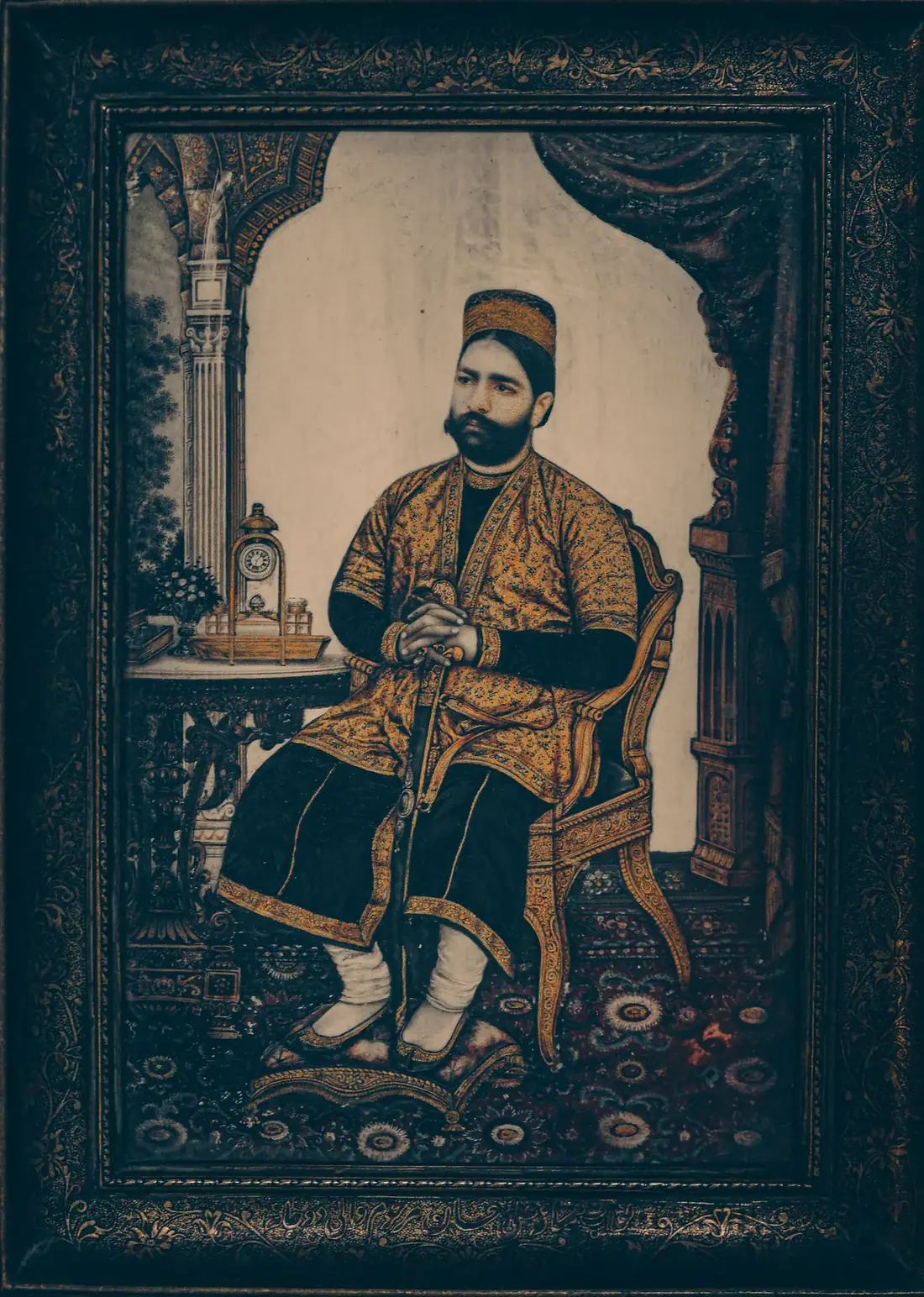
The miniatures belong to the Irani, Mughal, Kangra, Rajput and Pahari schools and are painted on paper or ivory. The portrait of Nawab Mumtaz Ali is the museum’s masterpiece, and family tradition holds that it took fifteen years to paint with a one-hair brush. The museum’s director told Gulf News that a magnifying glass is nearby for visitors.
A Kashmiri shawl is believed to have been owned by Maharani Jinda, wife of Ranjit Singh, and a handmade jamawar robe is described as Ranjit Singh’s. A carpet called “The General’s Carpet” is credited to Shah Jahan’s weaving factory in Lahore and dated 1638, and a human face is woven into its pattern.
A section of the museum is dedicated to the Buddhist art of Gandhara, and Gulf News also mentions artefacts from the Gandhara era. The porcelain is old Chinese, Japanese, Korean, Russian, French, German, English and Dutch crockery.
Visiting by appointment
Visits are by appointment. Call or write to arrange one, using the contact details on the Visit page. Please ask about admission when you arrange your visit, and please ask before taking photographs. Gulf News also recommends booking an appointment.
Combining it with a Walled City walk
The Authority’s booking page for its “Bhatti: The Chelsea of Lahore” tour lists Fakir Khana Museum among the stops, alongside Allama Iqbal’s house, Haveli Naunehaal Singh, Oonchi Masjid, Naqsh School of Arts, Tarannum Chowk and Sir Ganga Ram House. As listed on 13 October 2026, the tour runs from 11:00 AM to 1:30 PM, gathers at Fort Road Food Street and costs Rs. 3000 including brunch. Times and prices can change, so check the booking page before you go. To visit the museum itself, arrange an appointment as described above.
Where the sources differ
The Authority says Bhatti Gate is named after the Bhattis, an ancient Rajput tribe, whereas Urdu Wikipedia, citing the Naqoosh Lahore Number, links the name to the Bhat community. Published counts of the collection also vary widely, and around 20,000 is the family’s own figure.
Frequently Asked Questions
Where is Fakir Khana Museum located in Lahore?
Fakir Khana Museum is in Hakiman Bazaar, Kucha Fakir Khana and Kucha Astana Sharif, inside Bhati Gate in the Walled City of Lahore. Press accounts put the entrance about 500 metres inside the gate, on the right-hand side, and the museum’s own text describes the walk from the gate as barely five minutes.
How do you book a visit to Fakir Khana Museum?
Visits are by appointment. Call or write to arrange one, using the contact details on the museum’s Visit page. Please ask about admission when you arrange your visit, and please ask before taking photographs.
How many objects are in the Fakir Khana collection?
By the family’s count, the collection holds around 20,000 objects, and the museum describes it as one of South Asia’s largest private collections. Published figures vary widely.
Who were the three Fakir brothers at Maharaja Ranjit Singh’s court?
Three brothers of the family served Maharaja Ranjit Singh, who took Lahore in 1799. The Encyclopaedia of Sikhism describes Fakir Azizuddin as physician, diplomat and foreign minister; Fakir Imamuddin as qiladar of Gobindgarh Fort at Amritsar, where the bulk of the Sikh crown jewels was kept in deposit; and Fakir Nuruddin as court physician, then governor of Gujrat, then a member of the Council of Regency.
Can I combine a visit to Fakir Khana with a Walled City tour?
The Walled City of Lahore Authority’s booking page for its Bhatti tour lists Fakir Khana Museum among the stops. As listed on 13 October 2026, the tour runs from 11:00 AM to 1:30 PM from Fort Road Food Street and costs Rs. 3000 including brunch; check before you go. To visit the museum itself, arrange an appointment.
Sources and Further Reading
- Google Arts & Culture: Fakir Khana Museum story — The museum’s account of its 1901 opening, the walk from Bhati Gate, the Gol Kamra, the miniatures, the Mumtaz Ali portrait, the shawl, the robe, the carpet, Gandhara art and the porcelain
- Gulf News: A museum is witness to Lahore’s rich past — Family arrival around 1730, the roles of the Fakir brothers, the fifteen-year tradition for the Mumtaz Ali portrait, Gandhara artefacts and the advice to book
- Daily Pakistan: Exploring the treasures of old Lahore at Fakir Khana Museum (26 May 2018) — Location about 500 metres inside Bhati Gate on the right-hand side, and the family’s account of gifts from Ranjit Singh
- Encyclopaedia of Sikhism: Aziz ud-Din Faqir (1780-1845) — The family as hakims, Azizuddin’s role as physician, diplomat and foreign minister, and Ranjit Singh’s capture of Lahore in 1799
- Encyclopaedia of Sikhism: Imam ud-Din Faqir (d. 1847) — Imamuddin as qiladar of Gobindgarh Fort at Amritsar, where the bulk of the Sikh crown jewels was kept in deposit
- Encyclopaedia of Sikhism: Nur ud-Din Faqir (d. 1852) — Nuruddin as court physician, governor of Gujrat and member of the Council of Regency
- Walled City of Lahore Authority: Gates of the Walled City — The hakim shops of Hakiman Bazaar, Allama Iqbal’s student house at Bhatti Gate and the origin of the gate’s name
- Walled City of Lahore Authority: Bhatti – The Chelsea of Lahore tour booking page — The tour’s stops, which include Fakir Khana Museum, with its time, gathering point and ticket price as listed on 13 October 2026