Islamic calligraphy art at Fakir Khana: carved wood and written pages
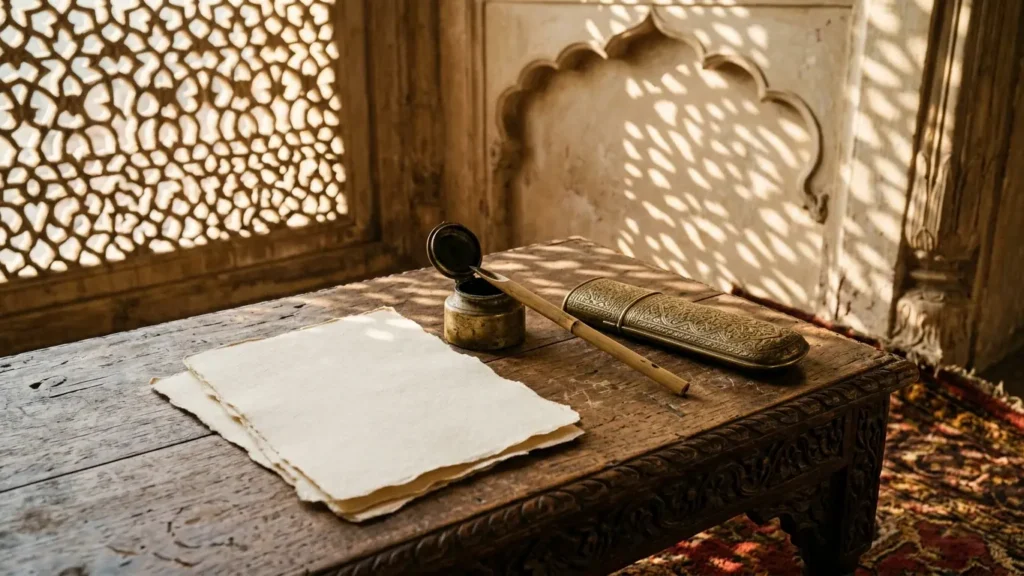
Fakir Khana Museum describes a wooden panel with the Kalima carved in relief, and a sheet of nasta’liq script in pink cloud bands on a gold-sprinkled ground.
Fakir Khana Museum describes a wooden panel with the Kalima carved in relief, and a sheet of nasta’liq script in pink cloud bands on a gold-sprinkled ground.
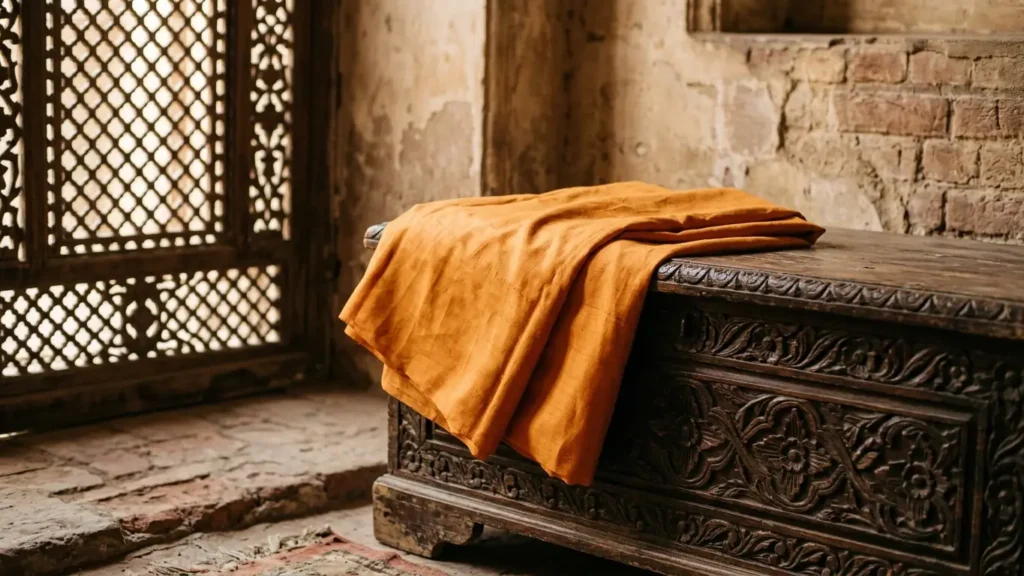
The Nishan Sahib and two kinds of army banner are described for Ranjit Singh’s Punjab; the Encyclopaedia of Sikhism and the museum records of surviving standards describe no single state flag.
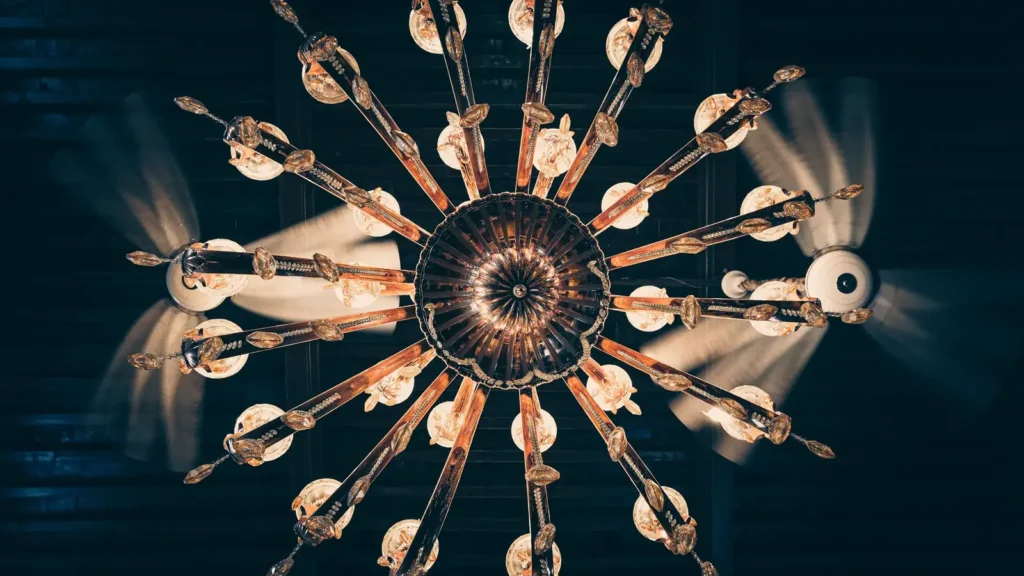
Fakir Khana Museum is a private family museum inside Bhati Gate, Lahore. Visits are by appointment, and the family counts around 20,000 objects while a verified inventory is prepared.
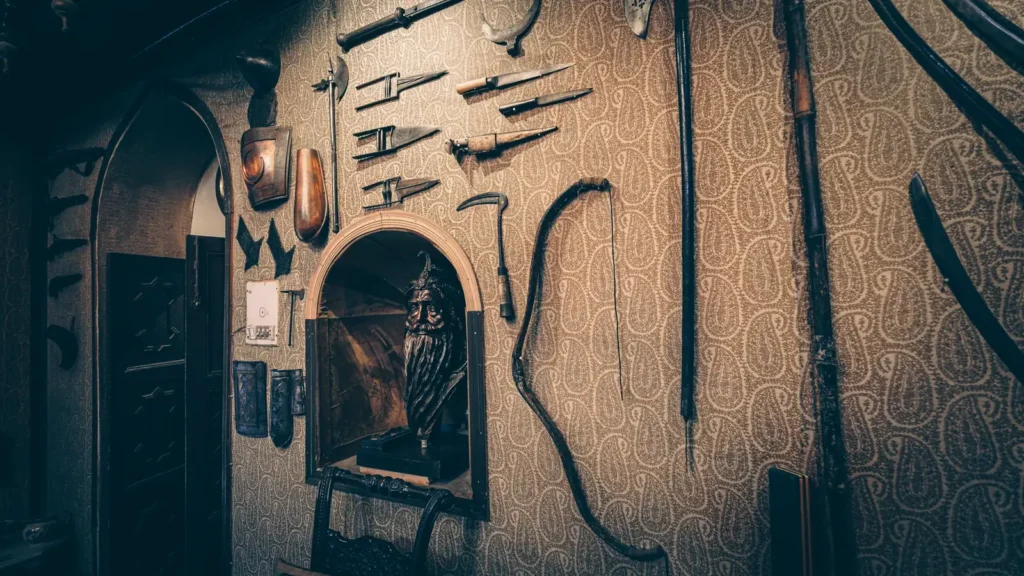
How Maharaja Ranjit Singh built his army, and the Sikh and European generals who led it, from Akali Phula Singh and Hari Singh Nalwa to Allard, Ventura, Avitabile and Court.
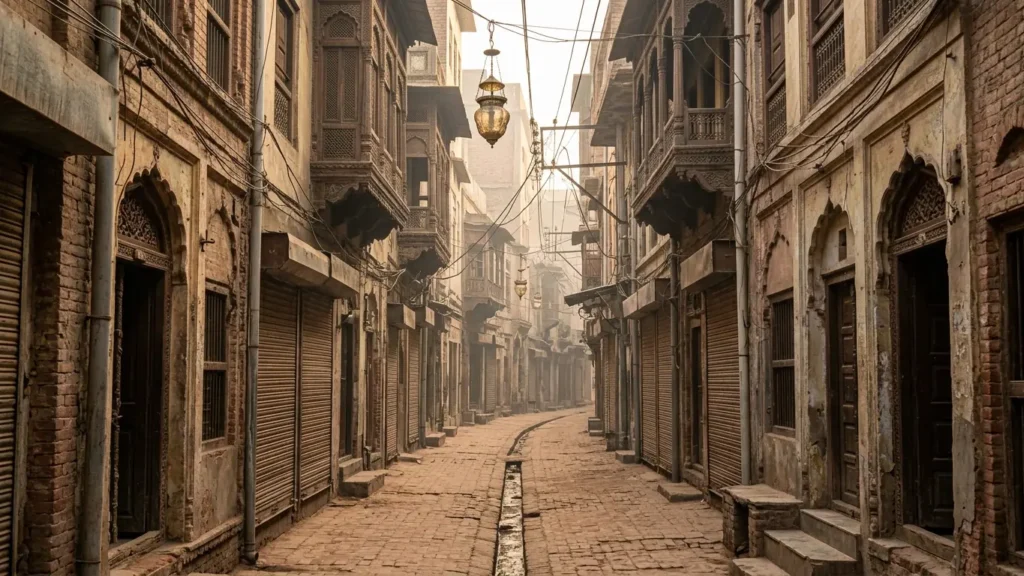
Bhati Gate, one of the thirteen gates of the Walled City of Lahore, opens into the quarter once nicknamed the Chelsea of Lahore, where Hakiman Bazaar begins and Fakir Khana Museum stands.
The Treaty of Lahore of 9 March 1846 ended the First Anglo-Sikh War: the Lahore state gave up land and owed an indemnity, and Fakir Nuruddin was one of seven Durbar signatories.
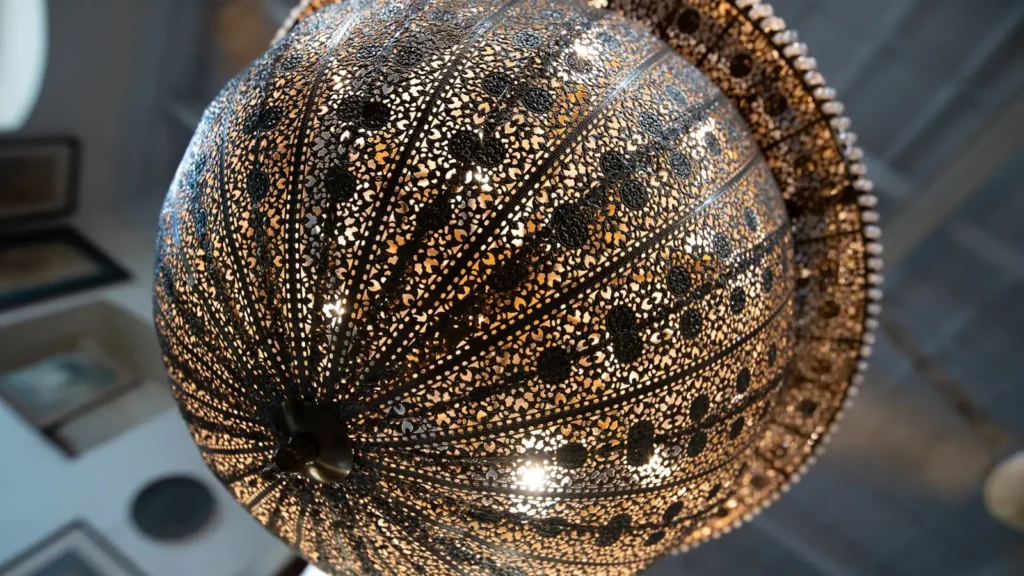
فقیر خانہ میوزیم اندرون لاہور میں بھاٹی دروازے کے اندر بازار حکیماں میں فقیر خاندان کا نجی عجائب گھر ہے، جہاں دورہ پیشگی وقت لے کر کیا جاتا ہے۔
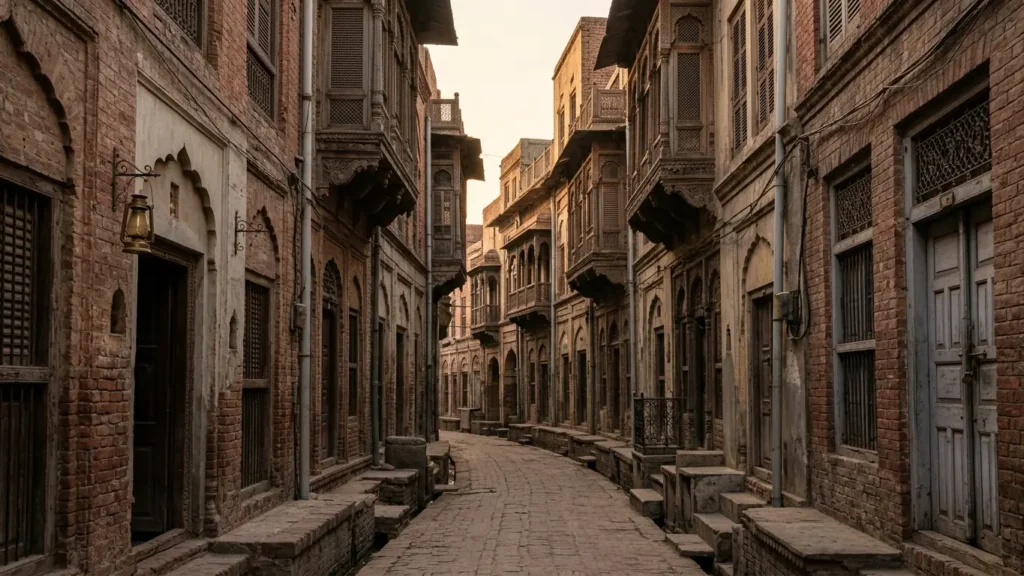
Lahore is the capital of Punjab province in Pakistan, on the Ravi river and close to the Indian border, and Fakir Khana Museum stands inside Bhati Gate in its Walled City.
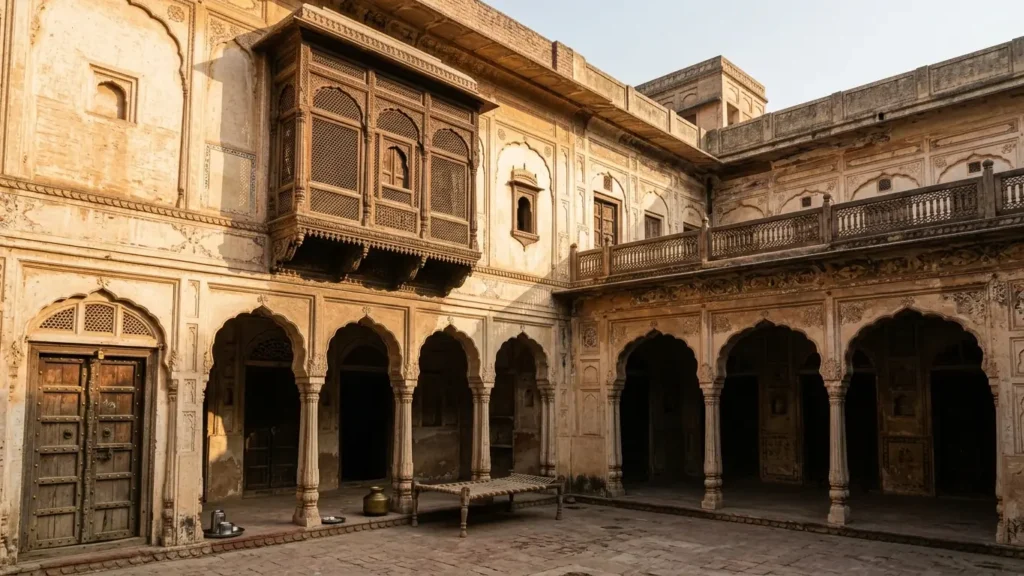
Haveli Wajid Ali Shah, inside Bhati Gate in Lahore’s Walled City, is recorded by the Walled City of Lahore Authority as the guest house of Fakir Khana’s haveli.
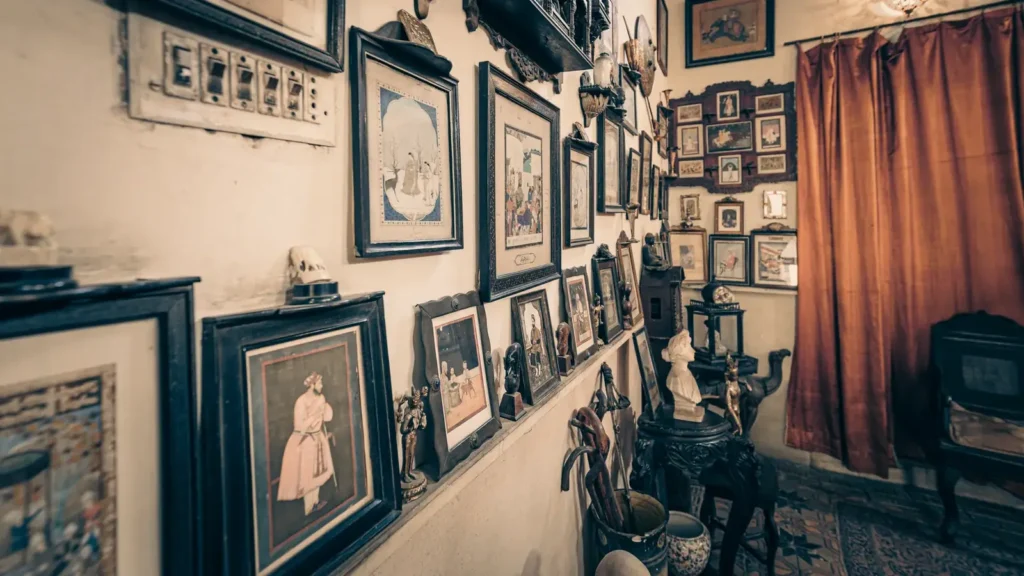
Schoefft and Bishan Singh painted Ranjit Singh’s darbar after his death, and Fakir Khana Museum holds a Sikh-court painting, Court of Maharaj Sher Singh, credited to Kher Singh.