Six questions about Fakir Khana Museum have no settled answer: the age of the house, the Raja Todar Mal tradition, the number of objects, the date of the trust, the generation now running the museum and the earliest Qur’an. Published accounts differ on each. The sections below set out what they say and what evidence would settle it.
How old is the house?
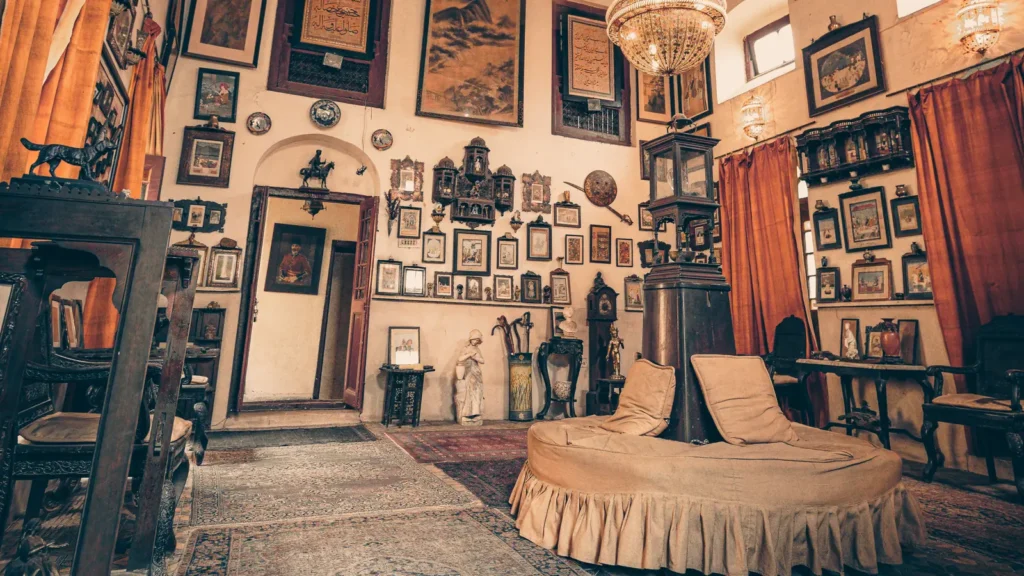
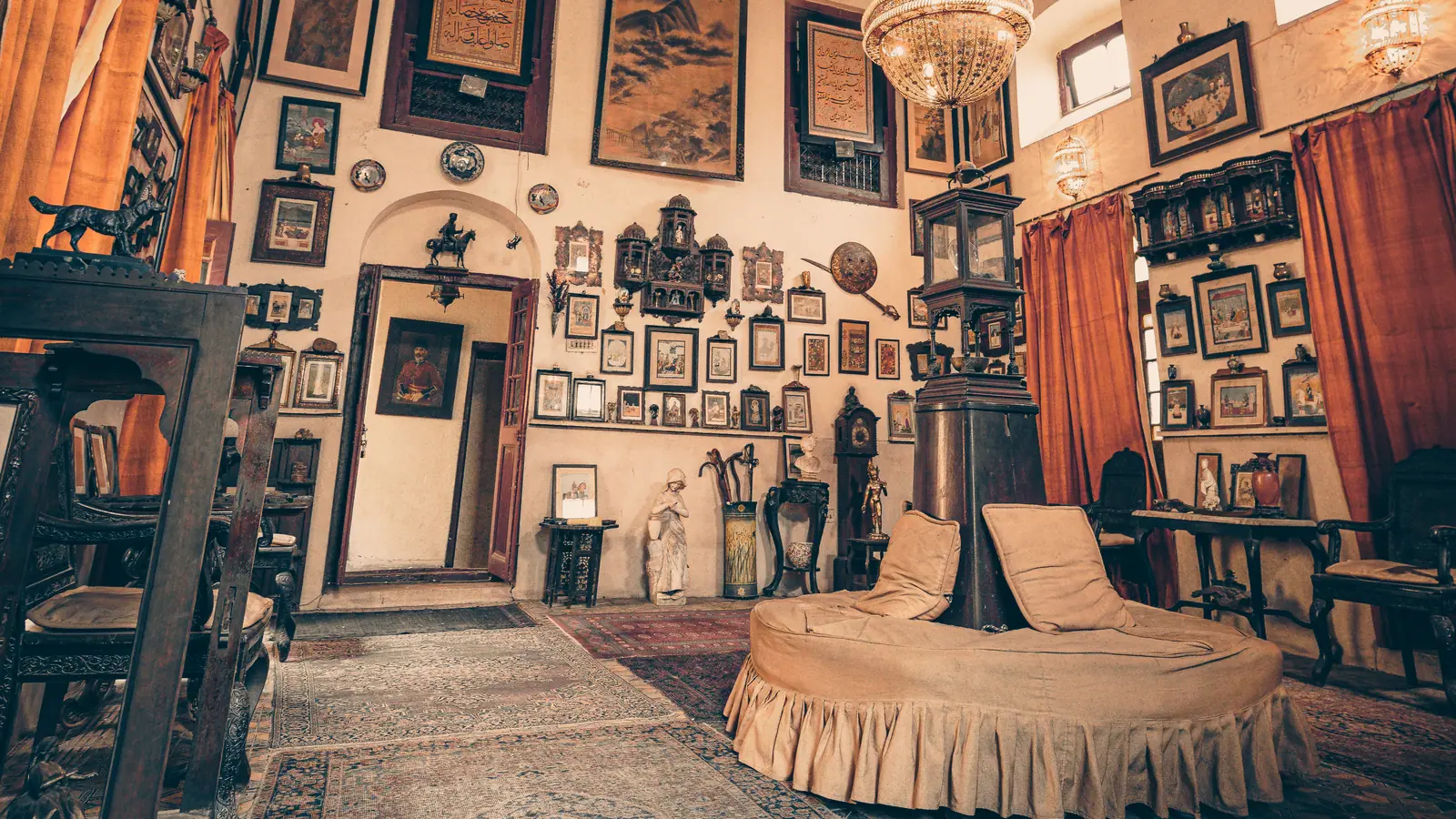
The museum’s website says the property was adapted as a family mansion over the centuries, and the house page describes the haveli and its rooms.

Published accounts name different periods. The Friday Times said in 2018 that the haveli was built in the mid-eighteenth century, and Youlin Magazine called Fakir Khana a nineteenth-century building in 2017. A 2016 Locally Lahore post describes the museum as inside an early twentieth-century house, and the museum’s own Google Arts & Culture story says the building was later renovated in the twentieth century as a mansion. The Department of Archaeology and Museums lists the site with a relative chronology of 1857 to 1947 and as protected under the Punjab Special Premises (Preservation) Ordinance, 1985. That chronology is a cataloguing field and gives no construction date.
The Friday Times review adds that the haveli was given to Fakir Nuruddin and Fakir Azizuddin, the brothers who became ministers.
Was the site linked to Raja Todar Mal?
Family and museum tradition links the site to Raja Todar Mal, finance minister of the Mughal emperor Akbar. The museum’s website says the property has long been associated with him. Some other published accounts go further and say the building originally belonged to him.
The Walled City of Lahore Authority’s entry for Haveli Wajid Ali Shah gives another account of the site. It says that in 1730 Syed Ghulam Shah came to Lahore from Chunian and that the haveli of Raja Todar Mal was entrusted to him as his residence.
How many objects are there?
The family’s own count is around 20,000 objects. It is a family count, and the museum says it is preparing a verified inventory of the collection.

Other published figures are worded differently. The Google Arts & Culture story says the museum houses over twenty thousand specimens of art and artefacts from the eighteenth to the twentieth century, the VisitLahore guide says around 20,000, and a 2018 Friday Times review says almost 20,000. Lower figures also appear: a 2007 traveller’s journal gave 13,000 objects, and Locally Lahore gave over 13,000 pieces of art in 2016. Printed figures vary widely.
A 1937 list described in a 2017 Youlin Magazine feature itemises groups of objects, from manuscripts and miniature paintings to rugs and armoury, and gives no overall total.
When did the trust begin?
The museum says it opened its house and collection to the public in 1901. A 2017 account in Youlin Magazine says that in 1937 Fakir Syed Jalaluddin listed the whole family collection and declared it a trust.
The two dates may refer to different things: the opening to the public in 1901 and a legal declaration in 1937. The About page describes the trust.
Which generation runs the museum?
Sources count the family now running the museum anywhere from the fifth to the seventh generation. The Google Arts & Culture story says the sixth, the VisitLahore guide says the seventh, and a 2007 traveller’s journal called its keeper a fifth-generation custodian.
What is known about the earliest Qur’an?
Descriptions differ. Gulf News wrote in 2018 of an eighth-century copy of the Qur’an in Kufic script. The Google Arts & Culture story calls the earliest work of calligraphy at Fakir Khana a handwritten Qur’an in Kufic script, and it also pictures a Mughal Qur’an that it calls Hamayl Sharif. The VisitLahore guide attributes the earliest calligraphy to Hazrat Imam Hussain, as a handwritten Qur’an, and family tradition likewise attributes a handwritten Qur’an to him.
These accounts may describe more than one manuscript. The museum says attributions, dates and provenance will be published following expert review.
How you can help
If you hold a document, photograph or published account that bears on any of these questions, you are invited to write to the museum. Contact details are on Plan your visit.
An architectural survey, a title deed or a Mughal-era record would bear on the age of the house and the Raja Todar Mal tradition. A record of the 1937 declaration would clarify the trust, and a family tree would clarify how the generations are counted. For the earliest Qur’an, what is needed is an expert palaeographic opinion on its date and attribution.
Frequently Asked Questions
When was Fakir Khana built?
No building date is settled. The Friday Times placed the haveli in the mid-eighteenth century in 2018, Youlin Magazine called it a nineteenth-century building in 2017, and the museum’s own Google Arts & Culture story says it was later renovated in the twentieth century as a mansion. The museum’s website says the property was adapted as a family mansion over the centuries.
Did the Fakir Khana house belong to Raja Todar Mal?
Family and museum tradition links the site to Raja Todar Mal, finance minister of the Mughal emperor Akbar. The museum’s website says the property has long been associated with him. Some other published accounts go further and say the building originally belonged to him, which remains a matter of tradition.
How many objects are in Fakir Khana Museum?
The family’s own count is around 20,000 objects. A 2007 traveller’s journal gave 13,000, and printed figures vary widely. The museum says it is preparing a verified inventory of the collection.
When did Fakir Khana open, and when was the trust created?
The museum says it opened its house and collection to the public in 1901. A 2017 account in Youlin Magazine says Fakir Syed Jalaluddin listed the collection and declared it a trust in 1937. The two dates may refer to different things: the public opening and a legal declaration.
Which generation of the Fakir family runs the museum?
Sources count it anywhere from the fifth to the seventh generation. The museum’s Google Arts & Culture story says the sixth generation of the Fakir family runs it, a visitor guide says the seventh, and a 2007 traveller’s journal called its keeper a fifth-generation custodian.
Sources and Further Reading
- Fakir Khana Museum: Google Arts & Culture — The museum-supplied story: the twentieth-century renovation, the Todar Mal wording, the object count, the 1901 opening, the sixth-generation wording and the calligraphy descriptions.
- Fakir Khana Haveli, Lahore: Youlin Magazine (23 October 2017) — The nineteenth-century description, the 1937 list and the 1937 trust declaration.
- Art house: The Friday Times (13 April 2018) — The mid-eighteenth-century building date, the count of almost 20,000 and the haveli given to Fakir Nuruddin and Fakir Azizuddin.
- Fakir Khana Museum: Locally Lahore (2016) — The early twentieth-century house description and the figure of over 13,000 pieces of art.
- Walled City of Lahore Authority: havelis — The Authority’s entry for Haveli Wajid Ali Shah and its account of Syed Ghulam Shah and the haveli of Raja Todar Mal.
- Walled City of Lahore Authority: havelis — The Authority’s entry for Haveli Wajid Ali Shah and its account of Syed Ghulam Shah and the haveli of Raja Todar Mal.
- Department of Archaeology and Museums: site listing — The listing’s relative chronology of 1857 to 1947 and its protected status.
- A museum is witness to Lahore’s rich past: Gulf News (2018) — The 2018 report of an eighth-century Qur’an in Kufic script.
- Fakir Khana Museum: VisitLahore — The visitor guide’s wording on the object count, the seventh generation and the earliest calligraphy.
- Fakir Khana: World Nomads traveller’s journal (2007) — The 2007 figure of 13,000 objects and the fifth-generation custodian.